
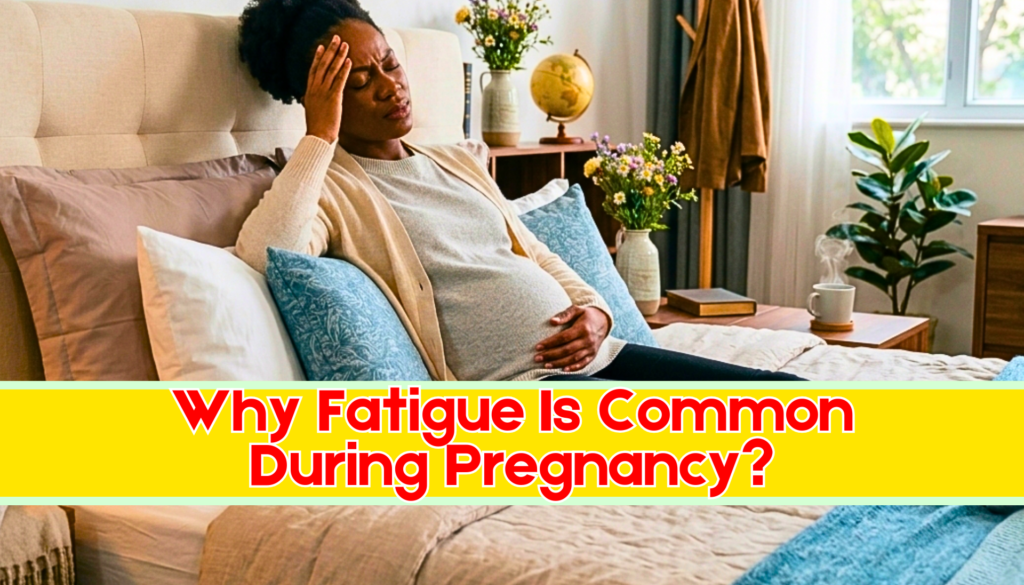
Why Fatigue Is Common During Pregnancy—and How to Manage It
I Slept for 9 Hours—and Still Didn’t Feel Rested.
This realization came to me out of the blue. Not only had I gotten a good amount of sleep that evening, but I didn’t have the flu; nor had I been doing physical labor. Yet just moving around my apartment felt as if I were dragging a lot of weight behind me.
At the time I told myself, “There must be something wrong with me.”
But no. There wasn’t. I was pregnant. And what I didn’t know at the time but needed to understand was this: Being pregnant isn’t simply feeling tired. It means letting your body perform its hardest task.
When pregnant, your body:
- Builds an entirely new life.
- Develops a completely new organ (the placenta).
- Increases blood volume.
- Changes hormone levels all the time.
This requires energy.
Your body then does the following in response:
- Slows you down.
- Makes you tired.
- Forces you to rest.
Tiredness isn’t an issue—it’s a message. Your body is sending you a message saying, “More energy is needed.”
Fatigue Is So Prevalent in Pregnant Women Because
1. Hormones Control Everything
There’s one hormone that’s especially important: progesterone.
It does the following things:
- Assists with pregnancy.
- Causes relaxation.
- And induces sleepiness.
This is the reason why most pregnant women feel very fatigued during their first trimester.
In real life? Many pregnant women claim that they: “could fall asleep anywhere—even while sitting upright!”
And that isn’t an exaggeration; that’s science!
2. Your Body is Burning the Midnight Oil (Even When You Aren’t)
This is one fact that doesn’t get mentioned often enough: No matter how much you are sleeping, your body is still working hard to:
- Form your baby’s organs.
- Increase your blood volume.
- Promote rapid cell development.
Your body just never seems to rest!
3. Your Body’s Energy Process Changes During Pregnancy
- Blood pressure may be lowered.
- Blood sugar levels may change.
- And your metabolism changes.
Which may cause you to experience feelings of: weakness, dizziness, exhaustion. Even when you are consistently consuming food.
4. The Sleep Quality Is Not Good
This is definitely one of the hardest things. You sleep, but:
- You frequently wake up.
- Your body feels uncomfortable.
- Your thoughts are going wild.
As a result, you feel exhausted upon waking up. A lot of women express themselves in such a way: “I am sleeping, yet I am not resting.”
5. There Is Emotional Stress Involved, Too
Here comes the mental strain, too:
- Thoughts of the future.
- Planning ahead.
- Stressful feelings.
- Accepting changes.
These factors will contribute to your exhaustion.
When Fatigue Strikes Most Severely
First Trimester
- sudden and severe
- hormone-induced
- often surprising
Second Trimester
- may feel better
- feel like yourself again
Third Trimester
- fatigue comes back
- body aches + lack of good sleep
This is typical—and okay.
What It Really Feels Like to Be Tired While Pregnant (My Honest Experience)
Here’s how to get personal.
Being fatigued while pregnant might mean:
- Looking at easy-to-do things but not getting started on them.
- Needing to rest after doing small things.
- Feeling bad about not doing enough.
- Cancelling things you looked forward to doing.
And maybe even: being emotionally sensitive… simply because you are tired
This is important: You aren’t being lazy. You’re being smart.
Managing Pregnancy Fatigue (The Right Way)
This is not about curing your fatigue. This is about managing it.
1. Work with Nature – Not Against It
Working against fatigue almost always causes more harm than good. Instead, rest when needed.
And move slower without guilt. These changes alone can make a huge difference.
2. Get Plenty of Rest (It’s Important)
Try to: sleep early, nap occasionally, use pillows for support. As little as 20 to 30 minutes of sleep is enough.
3. Eat for Your Energy
Eat:
- Foods high in iron (prevents anemia).
- High in protein (for growth and energy).
- Healthy food overall (sustained energy levels).
Your diet doesn’t have to be perfect – it just needs to be sustained.
4. Hydration is Key
Even slight dehydration can increase fatigue.
Tip: Drink frequently during the day.Don’t wait till you get thirsty.
5. Easy Exercise Can Work Wonders
This might seem odd but exercise can energize you. Examples:
- Walking around
- Stretching
- Exercises that are suitable for pregnant women
It promotes blood flow and good mood.
6. Manage Expectations
This is tough but necessary. You’re not functioning at full strength. That’s fine.
Do:
- Focus on essentials.
- Neglect trivial tasks.
7. See a Doctor for Medical Reasons
Though fatigue is common, it could be associated with: Anemia, Thyroid problems, Nutritional imbalance.
Consult a doctor if:
- Fatigue feels extreme.
- Doesn’t improve at all.
- Makes you dizzy.
What Definitely Does Not Work (Honest Answer)
There are a number of misconceptions that should be addressed right away:
Toughen up: More often than not, causes burnout
Have some more coffee: Should be used moderately during pregnancy
Just psych yourself out: Not a psychological but a physical condition
The following information is based on: pregnant women’s real-life experience
Current scientific knowledge regarding pregnancy hormones health recommendations regarding pregnancy and prenatal care. Pregnancy fatigue is considered to be an absolutely normal physiological phenomenon by health professionals. That said, each pregnancy is unique. Therefore, the best way is to:
- Trust your body.
- Consult with health care providers when necessary.
- Avoid radical methods.
An Honest Viewpoint
This is what no one wants to admit: Being pregnant can change who you think you are.
Having less stamina, less concentration, and feeling less control over your day-to-day life.
But this doesn’t mean you’re becoming a different person. It simply means your body is transforming itself into an entirely new role.
Last Words:
Fatigue is not an obstacle to overcome. It’s a reality to come to terms with. As behind this fatigue lays a whole new world that is developing without any interruption.
Let’s Chat:
If you happen to be currently pregnant:
- When did fatigue start affecting you the most?
- What was able to ease your fatigue, even if it was just a bit?
- Anything you found surprising while going through this process?
And if you are considering pregnancy: Are there concerns regarding fatigue associated with your pregnancy?