
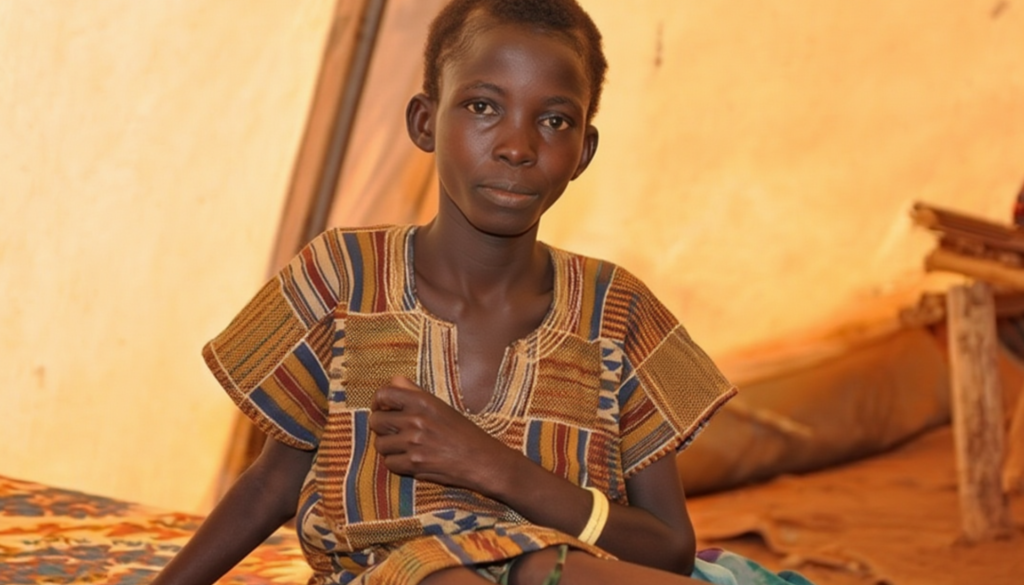
Nutrient Deficiencies in Children that May Influence Growth
(The things parents should know but never discuss)
Years have passed since I sat in front of a pediatrician, listened intently, and felt slightly worried. While true, my kid looked healthy; he or she was very active and always played. Yet, here was something unexpected to hear from a doctor: “Growth does not mean just getting taller. It is also about internal development.”
Exactly. As parents or guardians, the things that will worry us the most about our children’s growth will be visible to the naked eye: increased height, clothing size, or weight gain.
But in reality, growth encompasses many aspects, such as proper bone formation, proper brain function, and an improved immune system. Nonetheless, even after taking everything into consideration, a child may still be lacking some vital nutrients despite being well-nourished. This doesn’t mean that you’ve done something wrong; it just means that there’s room for improvement. Let us talk about it.
Nutrition Matters More than We Think
The body of the young one is practically being built everyday.
All the nutrition is used to build: bones, muscles, nerve connections, hormones, defenses.
In the absence of the required building blocks, the process of construction does not stop. The body just modifies itself accordingly. Sometimes, these modifications may have negative effects on the body. These may delay the growth process, affect concentration, interfere with the body’s defense mechanism, or delay developmental process. Building a house without some required bricks, the job is completed yet not optimally.
1. Iron Deficiency (One of the Most Common)
Let’s take a look at the major one. Iron deficiency is a prevalent condition among children. This condition appears in toddlers and adolescents.
The cause behind this problem is that iron transports oxygen in the blood system. With no sufficient amount of iron, the whole process of transportation does not function adequately.
Problems that may arise from iron deficiency: Fatigue (children will tend to be more easily tired).Development problems and inability to concentrate on things. Immunological mechanisms
Symptoms that parents should pay attention to: Pale skin color, Fatigue, Irritability and Decreased appetite.
There was this mother whose child seemed too lazy. She did not think that it had anything to do with the lack of iron.
Causes: Not enough foods with iron (like meat, legumes, spinach). Overconsumption of dairy products (they sometimes prevent the intake of iron). Active development stages
Sources of nutrition: Meat, Eggs, Foods such as spinach, Legumes and Foods enriched with iron.
In order to enhance iron intake, one can combine iron food with vitamin C (like orange and tomato).
2. Vitamin D Deficiency (Sunshine Vitamin Disorder)
This disorder is very common, even in areas that receive a lot of sunlight. Vitamin D assists in the absorption of calcium, an essential component for healthy bones.
Impact on children: Bone development, Immune system, Muscle strength.
Indications: Poor bone development. Painful bones (rare). Infections.
It is interesting to know that this condition does not show up easily on children.
Conditions causing this deficiency: Insufficient exposure to sunlight (staying indoors and using screens). Vitamin D deficiency in food
Applying sunscreen.
Sources of food: Sunlight in the morning. Dairy products with nutrients. Eggs. Fish oils.
Occasionally, supplements will be necessary.
3. Lack of Calcium (Not Only Dairy)
Calcium is usually related to dairy products; that is correct, but it is important. But, there will be occasions when the kids do not have enough calcium despite taking dairy products. Calcium is vital in increasing bone density.
The consequences might be: Formation of bones. Future health condition of bones (essential for avoiding problems when growing older).
Possible signs: Brittle nails, Cramps,Restricted growth (only in severe cases).
Reasons: Low dairy intake (due to lactose intolerance). Prefering soft drinks to milk. Limited variety in diet.
Sources: Dairy products, Tofu, Leafy greens (dark green), Vitamin D fortified foods (milk alternatives).
While Vitamin D needs Calcium, the latter requires Vitamin D.
4. Protein Deficiency (More Common than Assumed)
Protein assists in the formation of the body; hence, they are important in the development process. They play an important role in muscle, enzyme, hormone, and tissue formation.
Consequences may include: Increase in height and weight. Development of muscles. Overall growth.
Possible symptoms: Lower growth compared to peers. Frequent illnesses. Weakness.
There are cases when children eat lots of food but do not consume proteins.
Causes may be: Excessive consumption of carbohydrates and reduced intake of proteins. Rejection of specific foods like meat, eggs, legumes, etc.
Some examples of protein-rich foods include: Eggs, Chicken meat, Fish, Legumes, Nuts.
A single egg per day could change everything.
5. Zinc Deficiency (The Silent Deficiency)
Despite being rarely highlighted, zinc deficiency is very crucial. It plays a role in growth, immunity, and wound healing.
Conditions it may affect: Growth rate. Appetite.
Immune response Indicators include: No appetite, Frequent colds, Slow growth,
Factors leading to deficiency: Limited food diversity. Low intake of animal protein sources.
Dietary sources: Red meat, Shellfish, Seeds/nuts, Whole grains.
Zinc is one of the micronutrients that, even at low levels, could lead to drastic outcomes.
6. Vitamin A Deficiency (Sight & Immunity)
Vitamin A plays a role in sight, immunity, and growth.
Conditions it may affect: Sight, Immune response, Skin quality.
Indicators include: Night blindness, Infections, Dry skin.
Possible causes: Limited intake of fruits and vegetables. Limited food variety
Dietary sources: Carrots, Sweet potatoes, Mangoes, Eggs.
The brighter the color of the food, the higher the likelihood of Vitamin A.
7. Lack of Iodine (Brain Development)
This trace element is important for thyroid gland activity and growth/metabolism regulation.
What it does affect: Brain development. Body growth speed.
The symptoms include: Lack of body mass. Trouble with studying.
Why this happens: Not enough iodine intake with salt. Small amount of seafood in the diet.
What could help with this deficiency: Iodized salt, Fishes, Milk products.
A little bit will be fine.
Picky Eating – What’s the Reality?
It’s time to talk truthfully. Any child might develop picky eating disorder once.
They survive only thanks to such foods as: Rice, Chicken nuggets, Cookies and Some junk foods.
But some problems with nutrients absorption might be caused by it. Don’t try to be perfect in your meals. Try to make them consistent.
What You Should Be Doing Without Complications
Firstly, don’t plan yourself perfect nutrition program. Secondly, don’t think about every bite you eat. And here are some actual tips:
1. Focus on variety, not perfectionism
Every single healthy meal won’t change anything—you simply need to stick to proper patterns.
2. Add, not cut off
Instead of removing unhealthy food, add nutritious meals along with it.
3. Provide it enough time
According to research, children may need up to 10-15 contacts with an unfamiliar food product to learn to accept it.
4. Make sure the food looks familiar
Frequently, children reject the food due to its appearance.
5. Be patient
Growth is a long process.
Signs You Might Need to Consult With a Specialist
In case you notice: slow weight gain, constant exhaustion, frequent illnesses, extremely selective eating behavior, it may be worth your while to visit a specialist. Sometimes, just a regular blood analysis will be enough to figure everything out.
Simple and Straightforward Strategy
There is one thing people tend to forget about: Not everyone is meant to be a perfectionist to raise healthy kids.
Children do not require perfectionism. What they do need is consistency.
What they require is enough nutritious food at least most of the time. It means effort. Because growing is a long-lasting process.
Warning! This article can help you get better insights into your kid’s health problem but cannot substitute professional help.