

Top 10 Most Beautiful Places in the Philippines That Feel Unreal
There are also places in the Philippines that make you lose perspective upon seeing them for the first time.
Not because they are “perfect” in some way but rather because of their sheer unworldliness. An island that seems peaceful and deserted enough to let the ocean color change from silvery to electric blue within minutes. Mountain rice terraces that seem so ancient, they have lost all resemblance of being made by man. Places whose photos get recycled online ad infinitum, but which still somehow manage to escape depiction on digital screens places
My travels around the Philippines made me realize that the beauty of this country goes beyond simple sights. It touches your emotions, sometimes overwhelms, occasionally inconveniences, always humbles.
Some places in the Philippines are popular now. Others are still hard to reach. There are those that are evolving faster than the locals would like them to. Yet despite the influence of tourism, trends and social media, there are still spots in the country that can seem truly otherworldly places.
The list of Top 10 Most Beautiful Places in the Philippines That Feel Unreal may not include only the most popular tourist destinations or picturesque landscapes. Rather, it will cover sites that have some kind of effect on people who visit those locations. Those destinations will seem bigger, quieter, older, or livelier than before after visiting them yourself.
This is not the list of things I need to do or to see during my vacation. Rather, this is the list of memories about ten most unbelievable places in the Philippines.
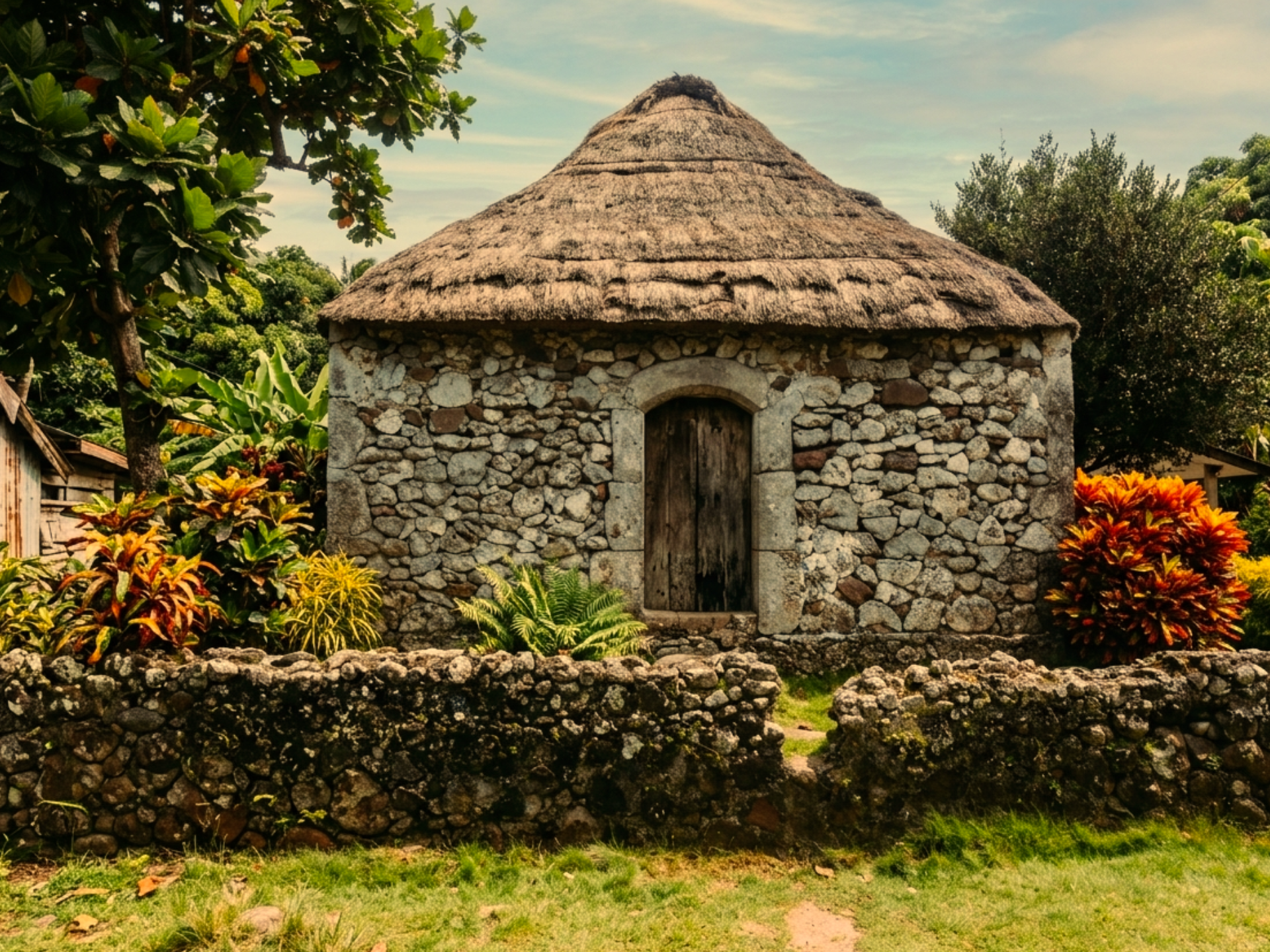
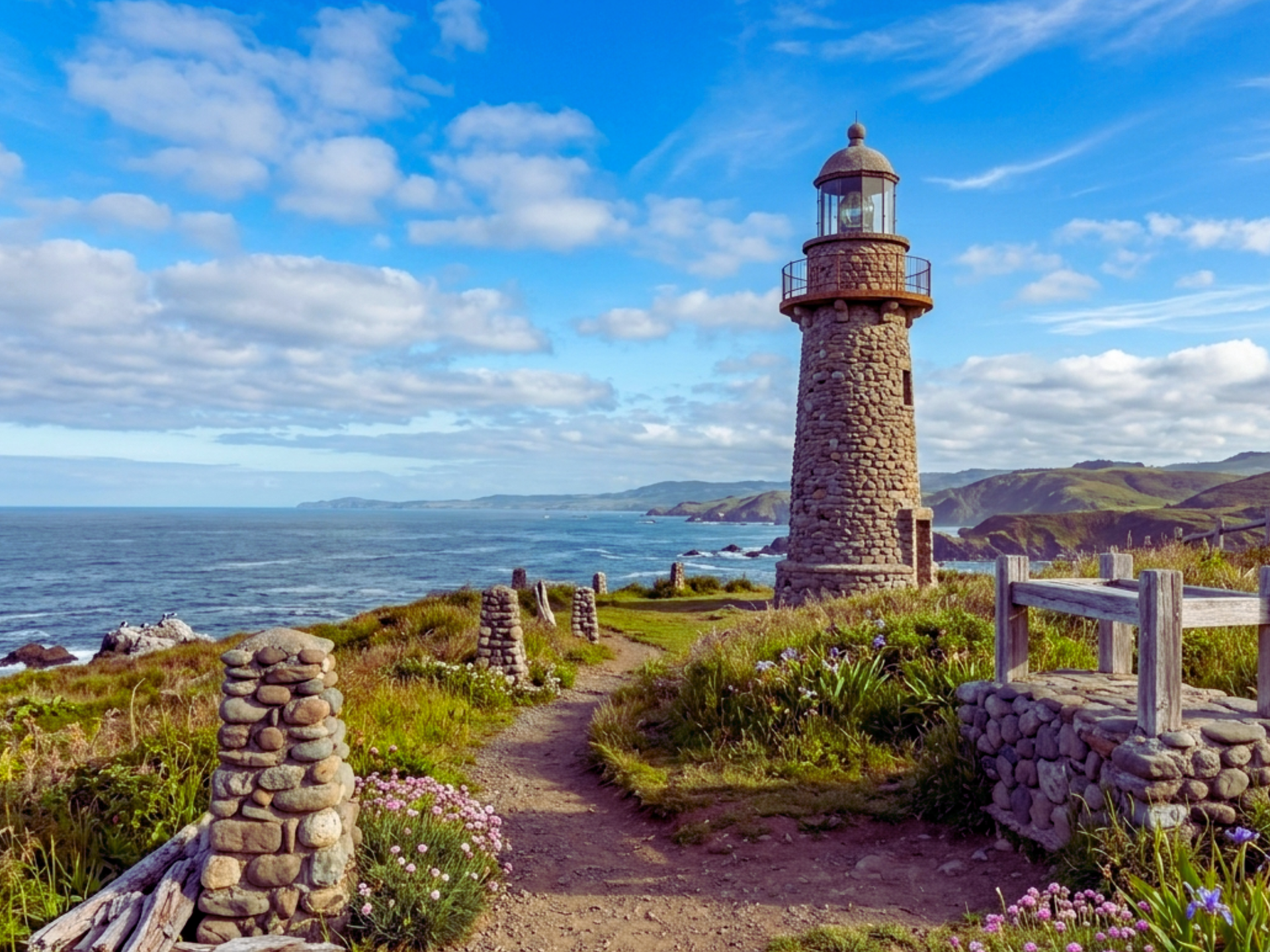
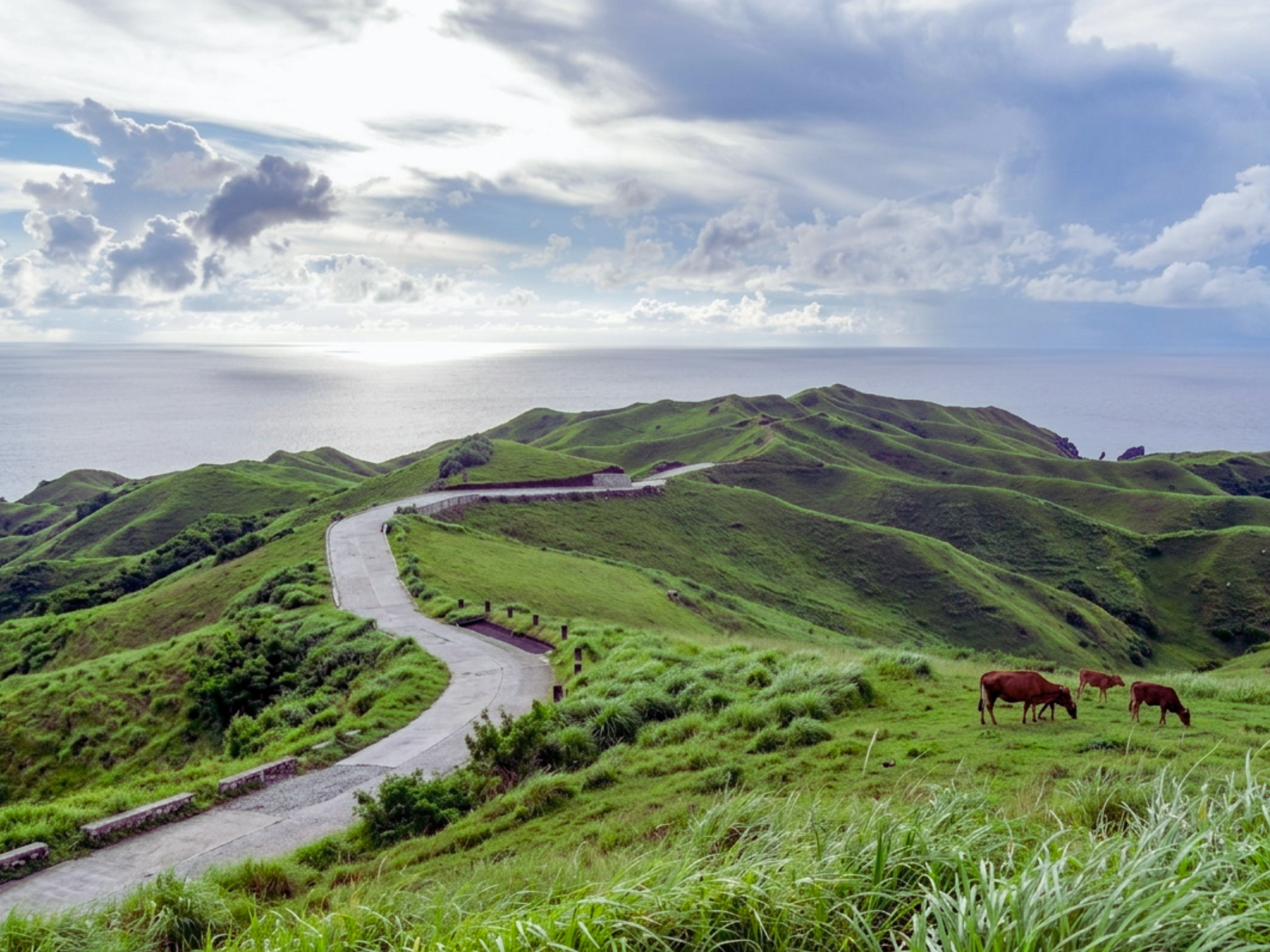
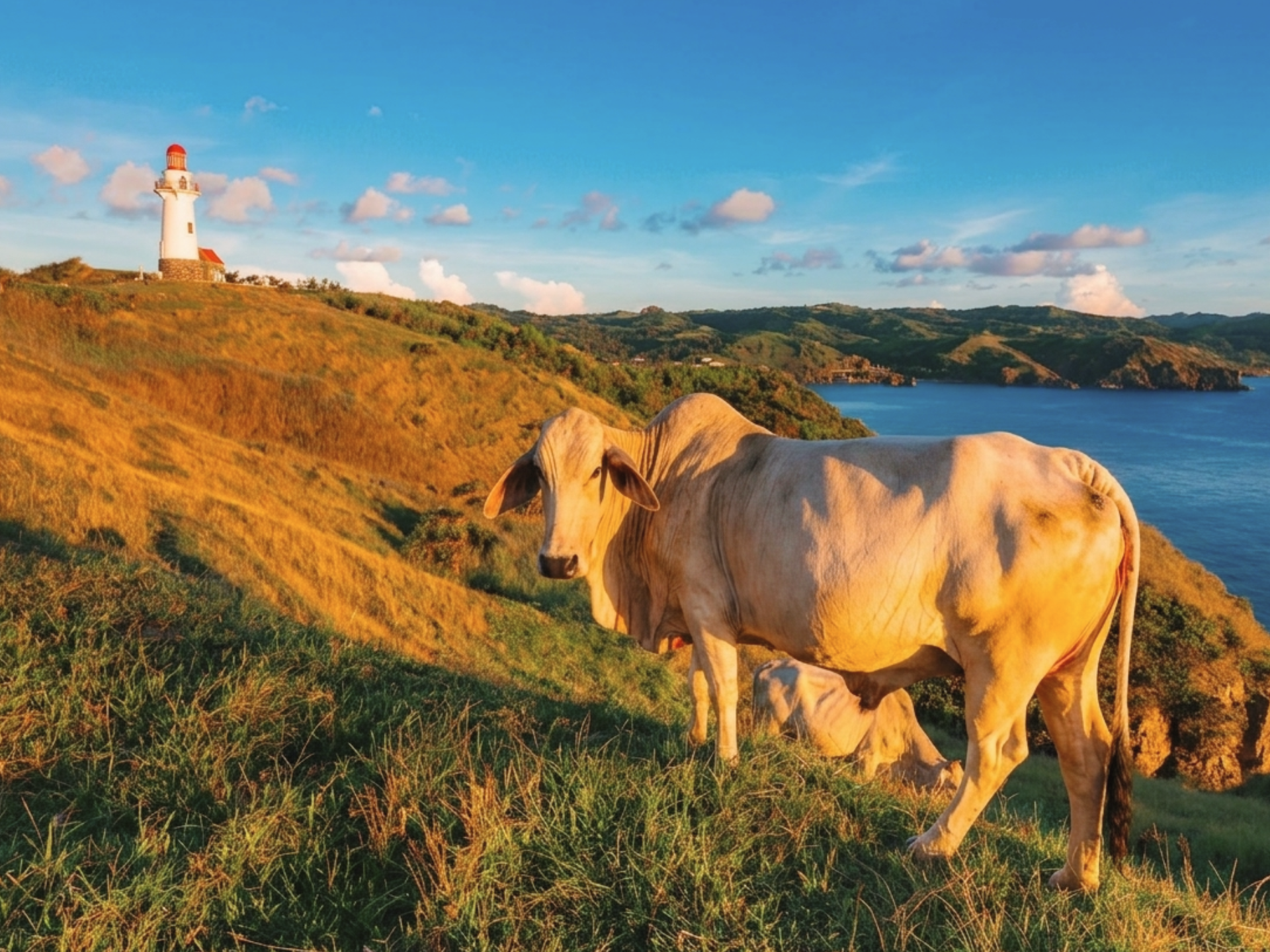
1. Batanes – The Quietest Place for Traveling
A peculiar quietness prevails in Batanes, which may be unusual to those who grew up surrounded by traffic, people, and constant alerts.
My first impression was not about the scenery; it was about the wind.
It blows all the time, carrying a powerful charge that is able to stop your sentences at any point. There are some incredibly pristine places – green cliffs descending into the dark blue sea, deserted roads, stone houses designed to withstand typhoons and vast skies.
Unlike many other travel destinations, Batanes does not intend to amuse visitors throughout their visit.
Things to Remember While Going There
- Perfect visiting period: March to June
- Recommended days: 4-5 days
- Approximate cost: ₱15,000-₱35,000 depending on transportation costs
- Closest airport: Basco Airport
Travel truth: The flight tickets cost a lot, weather-related delay happens frequently.
Among all of the Filipino provinces, Batanes belongs to the safest and quietest ones, yet it should also be considered environmentally delicate. That is why tourism flourishes in the area.
What Most Tourists Overlook
The emotional tempo in Batanes is slower than expected.
If traveling means non-stop parties or jam-packed schedules, one may end up feeling restless after a couple of days in the destination. But for those tired of noises and being overly stimulated, Batanes might come off as a breath of fresh air.
The internet connection may also not be reliable outside town.
Things I Observed Personally
I recall seeing Ivatans locking bikes outside stores carelessly. It was more memorable to me than the popular spots I came across in Batanes.
Another observation I have about the Ivatans is that they have a sense of pride in maintaining their culture without having to commercialize it.
Tips and Reminders
Do:
- Be respectful to local property.
- Shop for products from Ivatan-owned stores.
- Pack a sweater for the cooler months.
Don’t:
- Fly a drone around villages without consent.
- Take pictures with traditional homes as mere backdrops.
- Litter coastal vantage points.
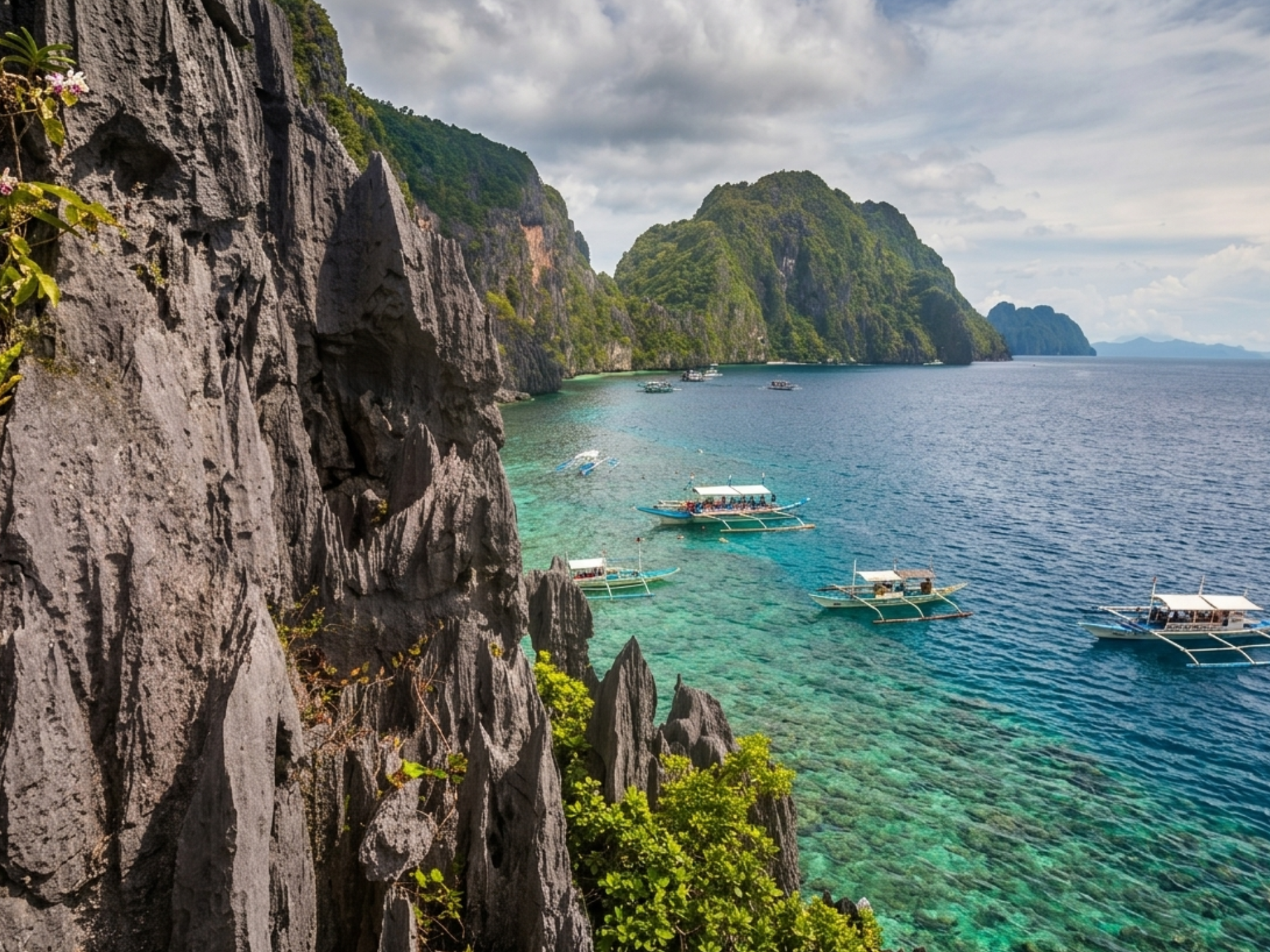
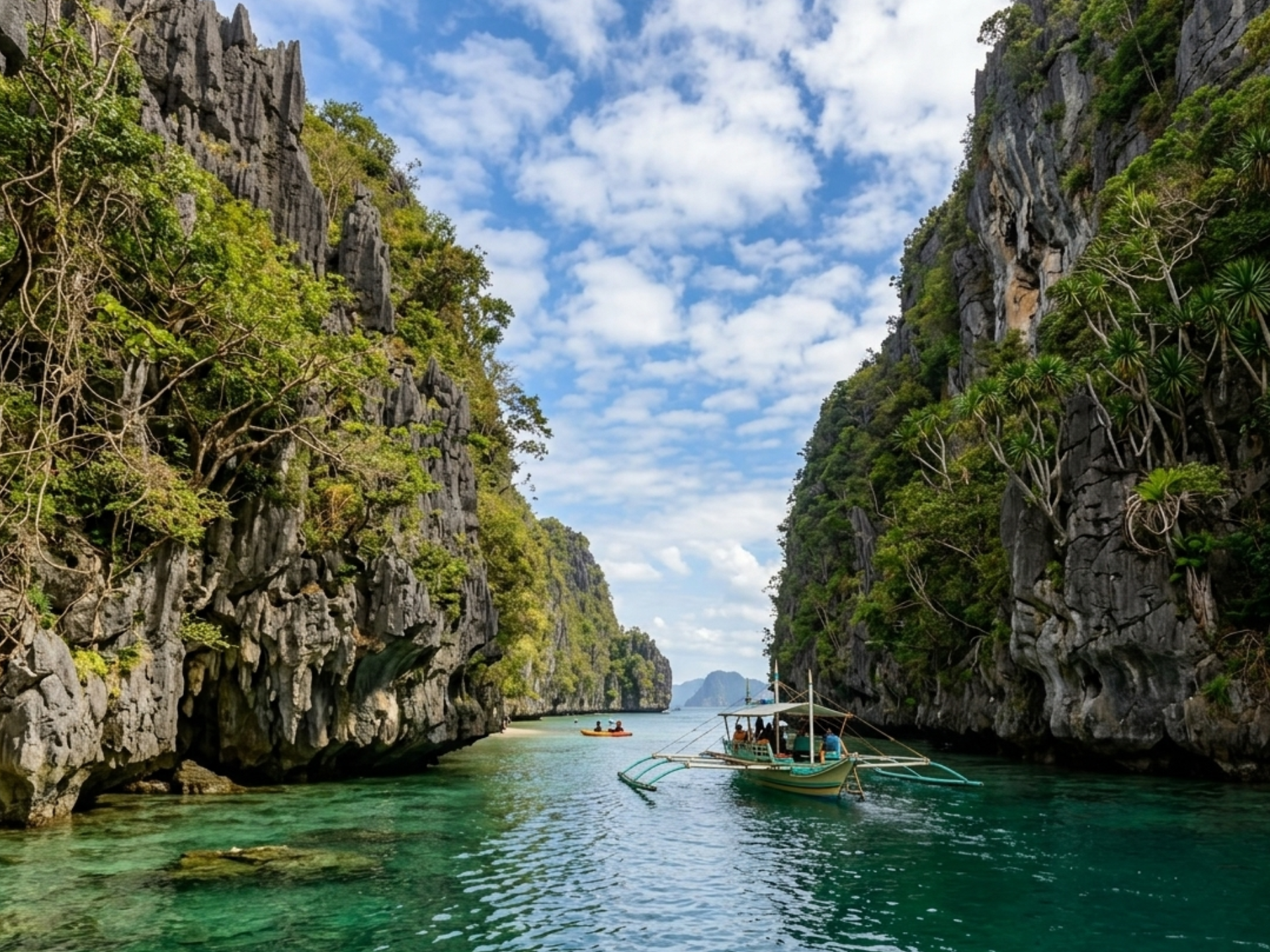
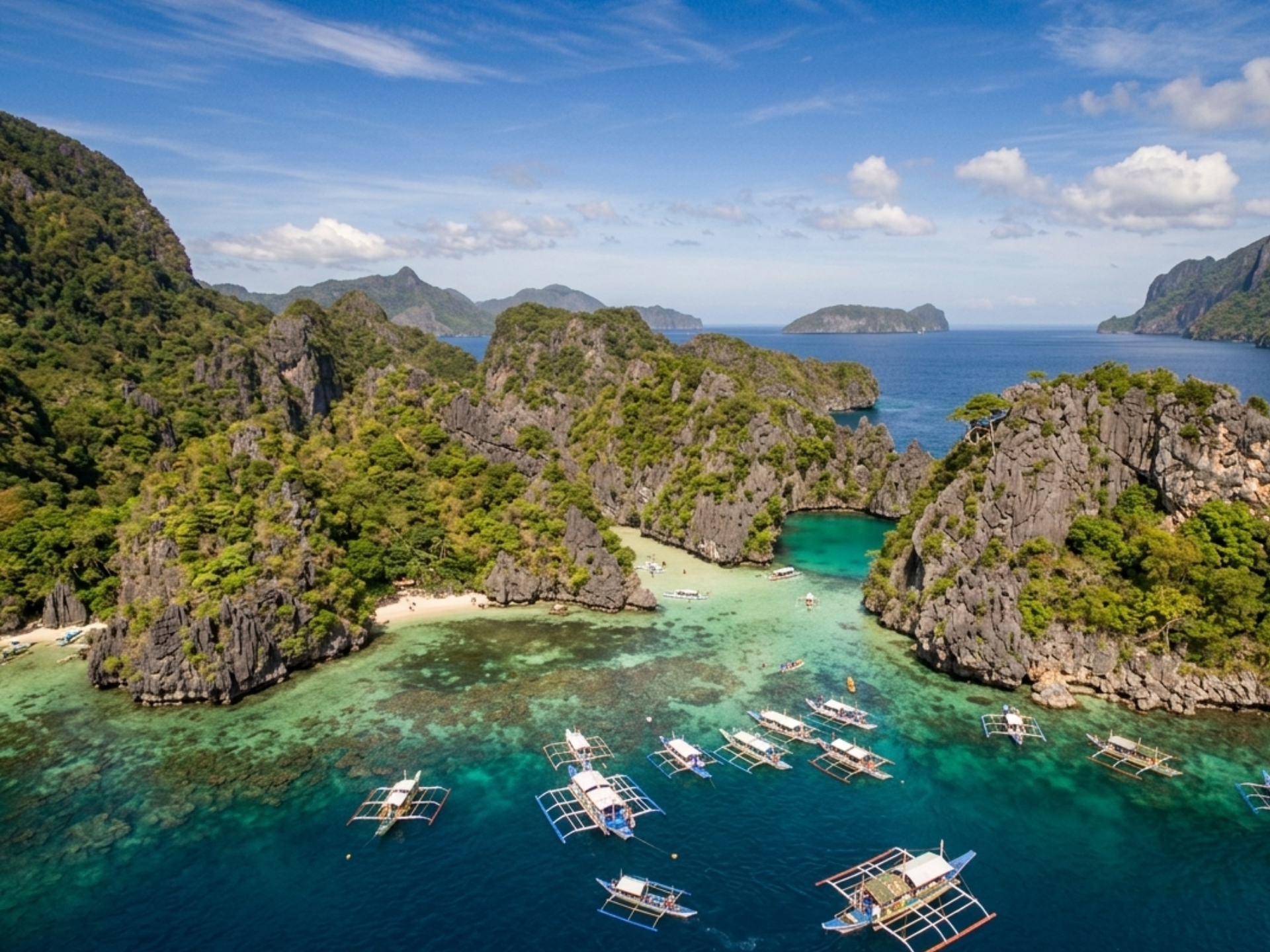
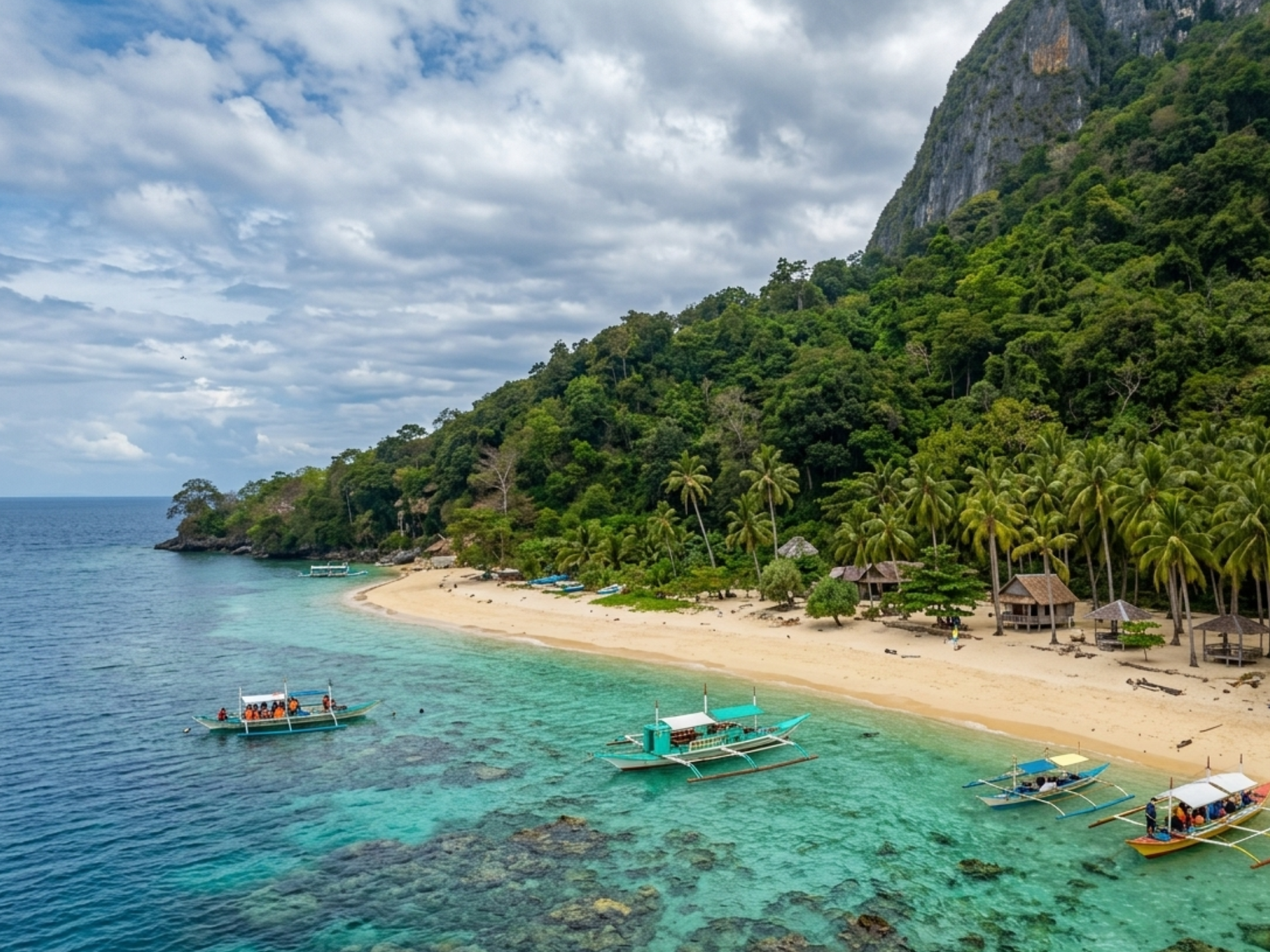
2. El Nido, Palawan — Picturesque, Chaotic, and Needing Proper Understanding
El Nido is perhaps one of the most photographed places in the Philippines, and frankly, I expected to feel disappointed due to this fact.
However, what shocked me was the sheer size of things.
Limestone cliffs shoot out from the water in such abruptness; boats get swallowed by islands. Water keeps changing colors depending on its depth and cloud coverage. And even the most congested lagoons feel magical with the right lighting of the water.
However, El Nido is also the best example of how tourism can both benefit and challenge a location.
Practical Information About the Place
Best period for traveling: November – May
Budget travel costs: ₱10,000 – ₱25,000
How to get there: Flight to Puerto Princesa or direct flight to El Nido Airport
Minimum time in the place: 4 days
Honest Reality Check: El Nido is packed. In high season, beaches get noisy, tour times collide, and prices for accommodation skyrocket. Some visitors come hoping for seclusion due to filtered photographs from social media and find themselves disappointed with the crowd.
That being said, the natural scenery is still breathtaking.
Things I Personally Observed
The best parts of El Nido did not take place on tours but occurred very early in the mornings, while the town was just waking up.
Fishing people getting ready for the day. Streets empty in the aftermath of rains. Sound of waves during nighttime, once the generators have calmed down.
It all reminded me that El Nido was still alive and breathing.
Tips and Remainders
Do:
- Plan ecologically responsible tours.
- Use reef-safe sunscreen.
- Get up early to escape crowds.
Don’t:
- Disturb coral reefs during snorkeling.
- Look for luxurious facilities everywhere.
- Ignore the environmental rules.
3. Sagada – A Place that Seems Silent in a Different Way
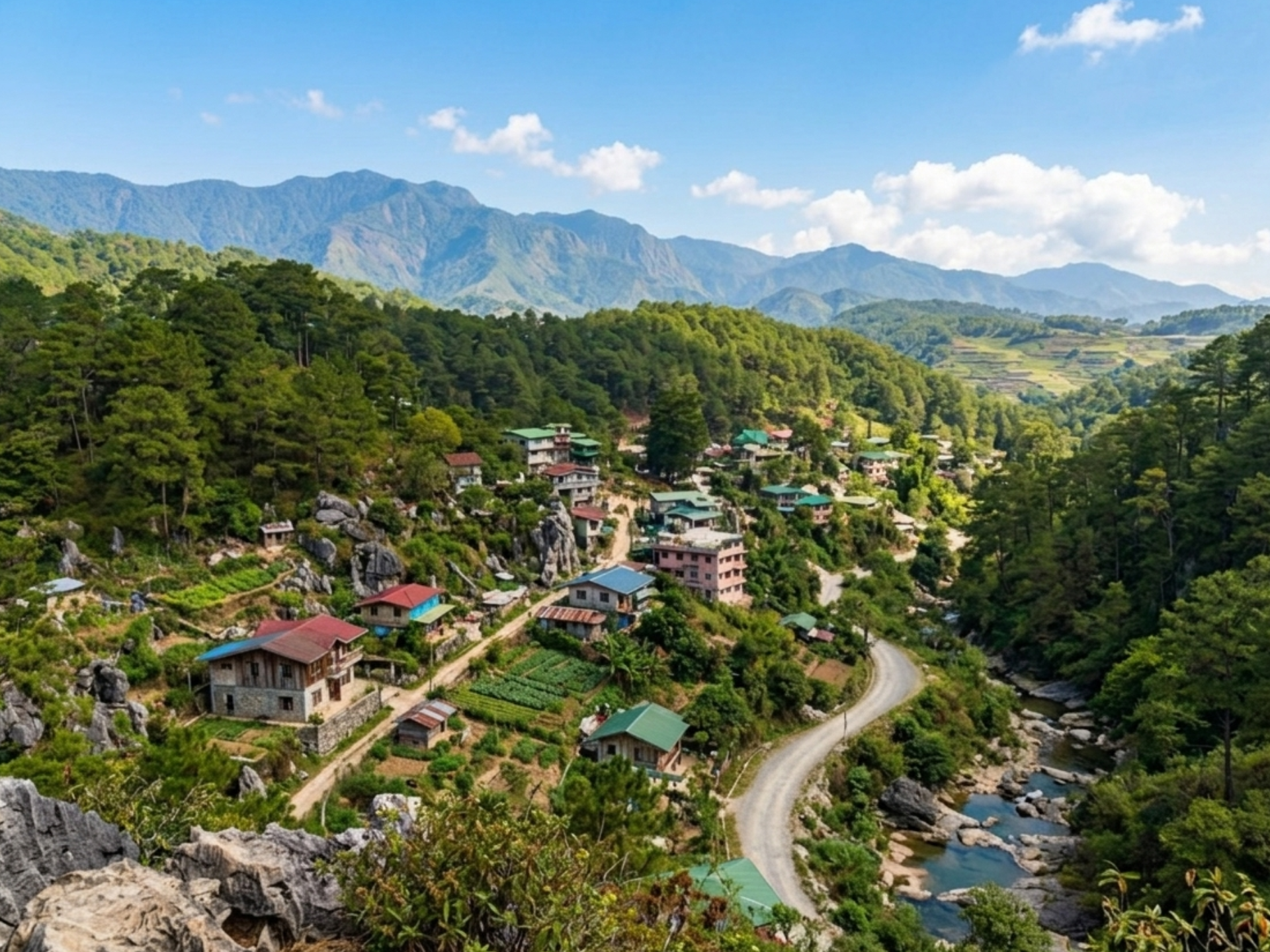
There is no immediate rush of overwhelming sensations in Sagada.
The place has layers.
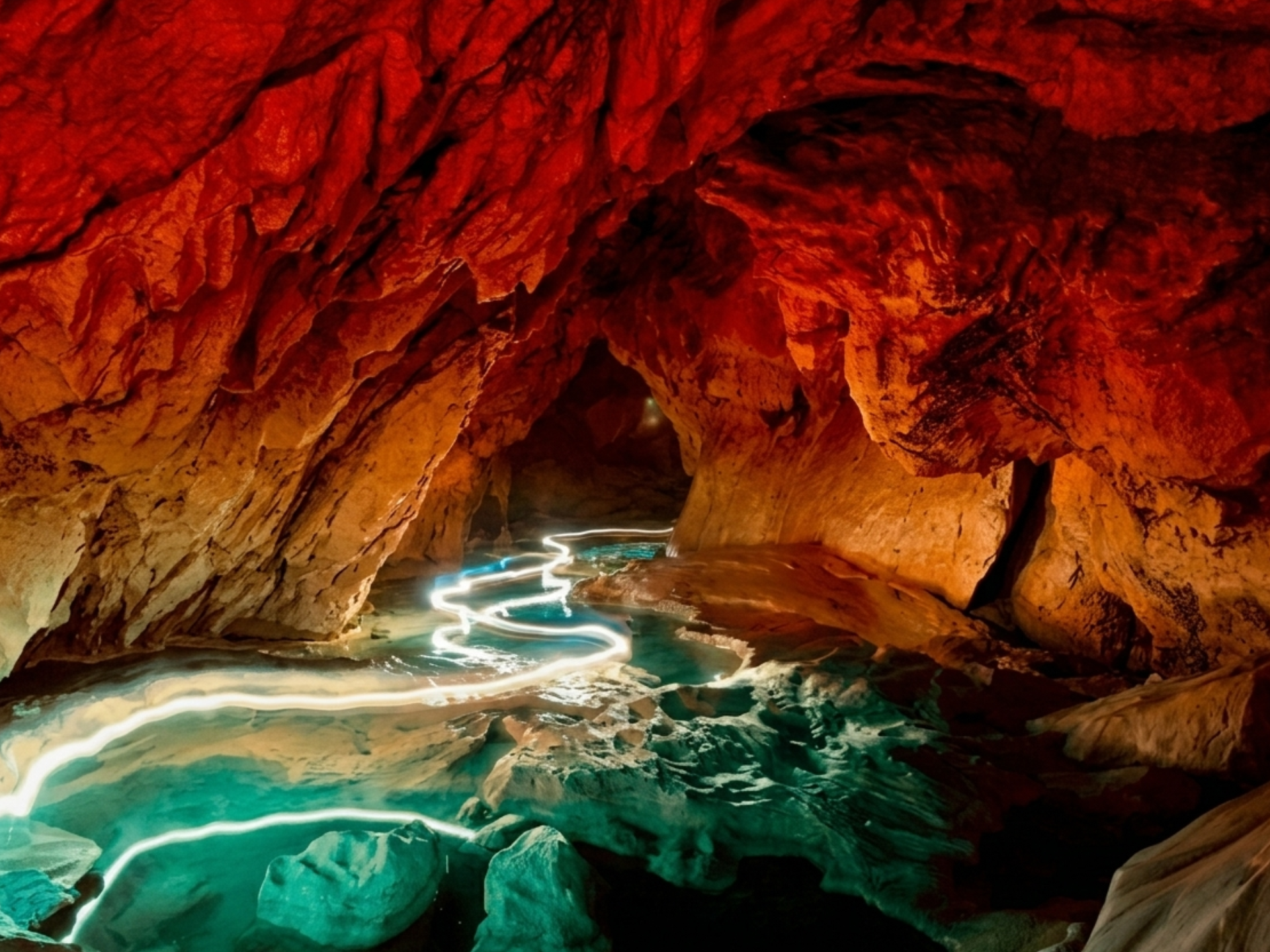
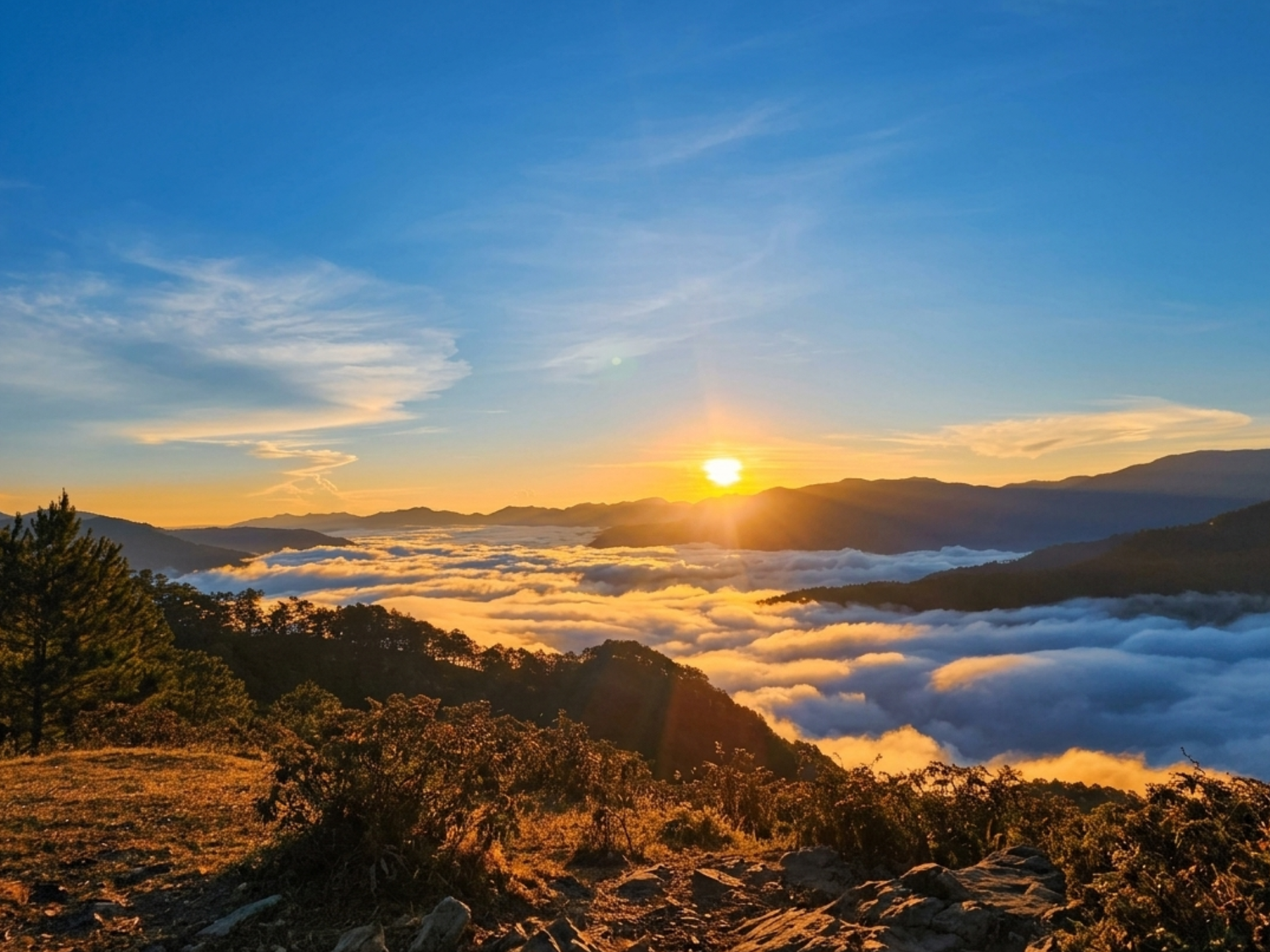
The first sensation is the cold air. Next comes the smell of pine trees. Finally, comes the silent mornings with fog rolling down mountain roads.
Not like the tropical islands, Sagada makes one feel very introspective. The purpose may be caves, mountains, coffee shops, and sunrise points. However, travelers may end up cherishing their silence more.
Tour Information
- Best Time: December to February for cool climate.
- Travel Time: 10-12 hours by bus from Manila.
- Budget: ₱5,000-₱12,000
- Recommended Stay Duration: 3-4 days
Commonly Misunderstood Aspects of Sagada: Sagada can make a traveler tired physically.
Caving is an exhaustive activity. Rainy season hiking could be slippery for tourists. Cold might surprise travelers who do not bring warm clothes.
Tourism has completely transformed the town of Sagada and locals have spoken a lot about preserving cultural sensitivity.
Personal Observations
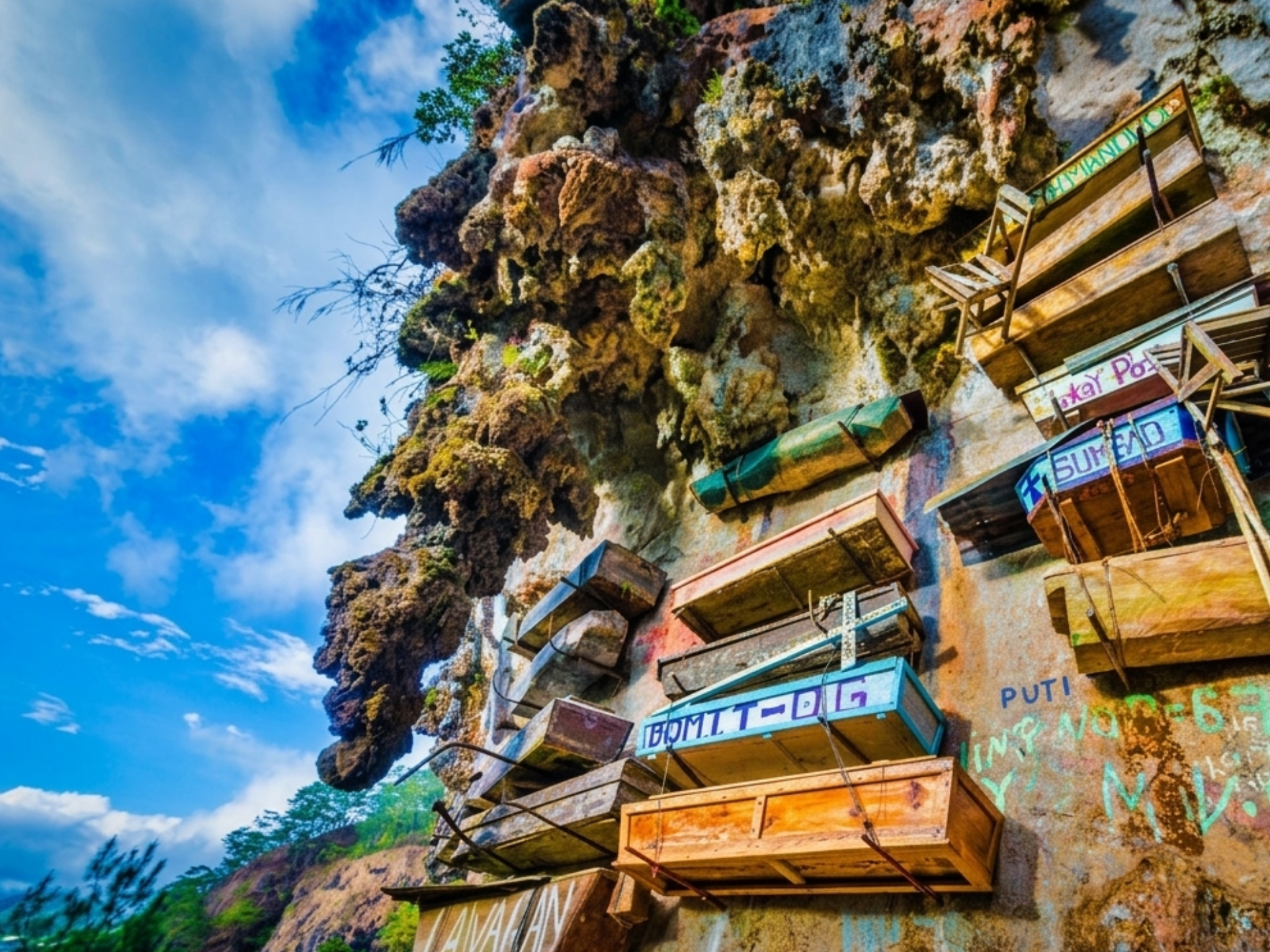
The focus is on the hanging coffins but the impression which remained with me even more is about how evenings were there.
Quiet dinner conversations in small restaurants. Fog gradually taking hold of roads as night fell. Absence of rush from cities.
Sagada does not need you to make an effort to get entertained. You can relax there.
Tips and Remainders
Do:
- Engage local accredited guides.
- Dress modestly in traditional cultural areas.
- Admire indigenous traditions.
Don’t:
- Visit burial grounds for amusement.
- Go inside caves without any preparation.
- Expect luxurious facilities anywhere.
At this stage, it becomes quite clear to me that the most exotic sites in Philippines are usually those that least try to impress you.
4. Siquijor — The Island That Sees Itself Between Myth and Reality
Siquijor has a unique emotional feeling.
In part because of the folklore around it. In part because Siquijor is somehow not as touristy as other beach towns.
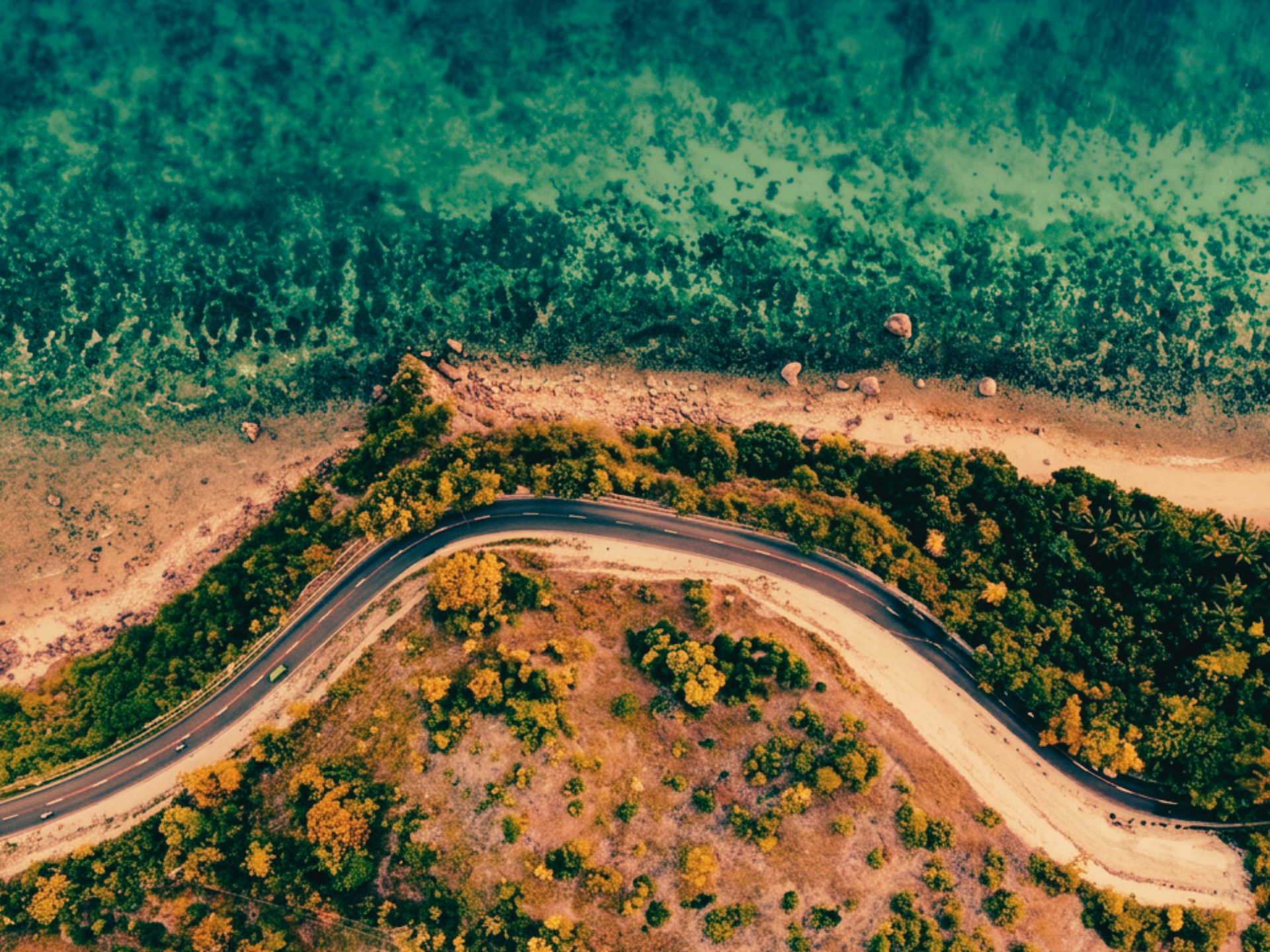
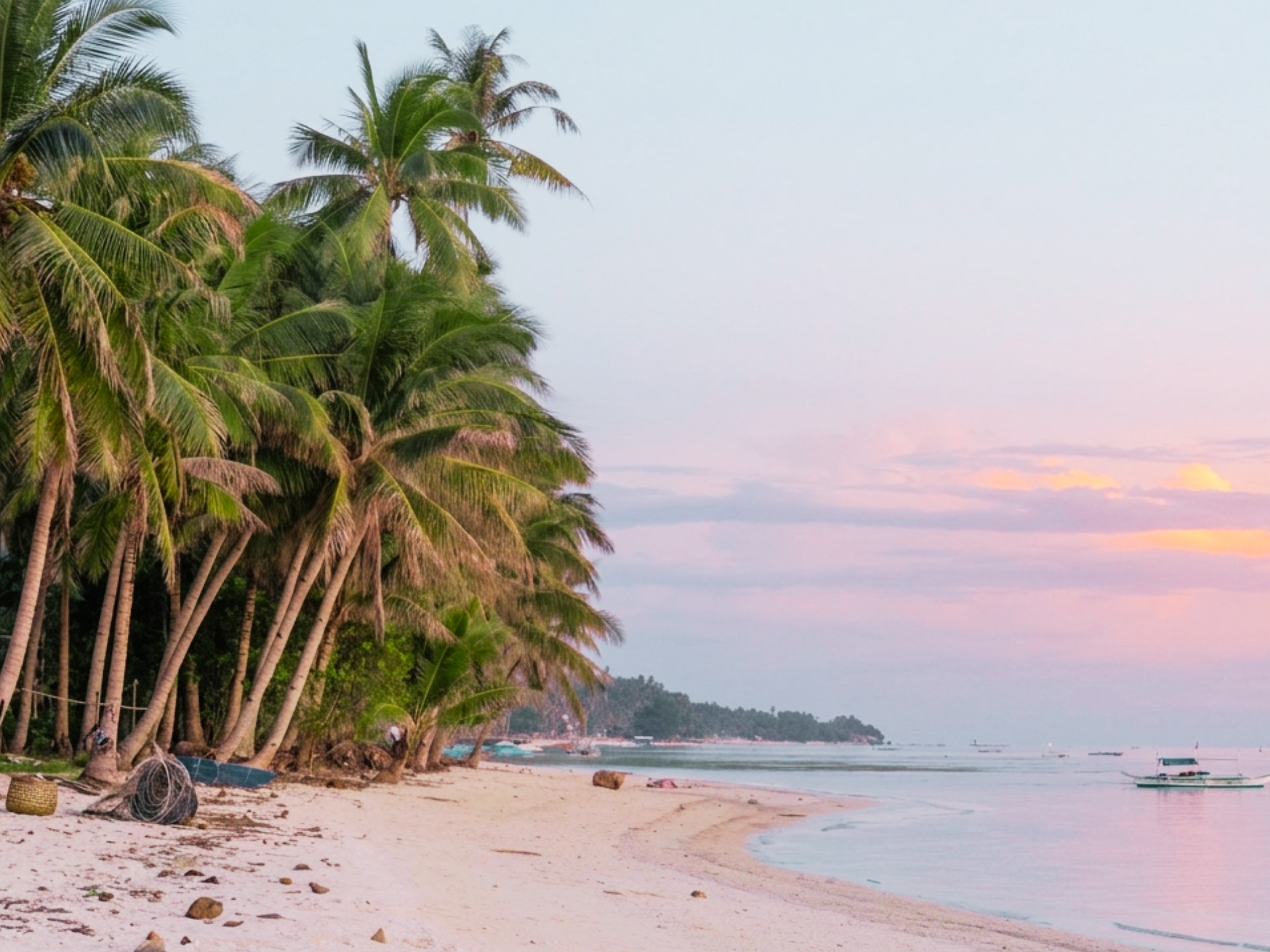
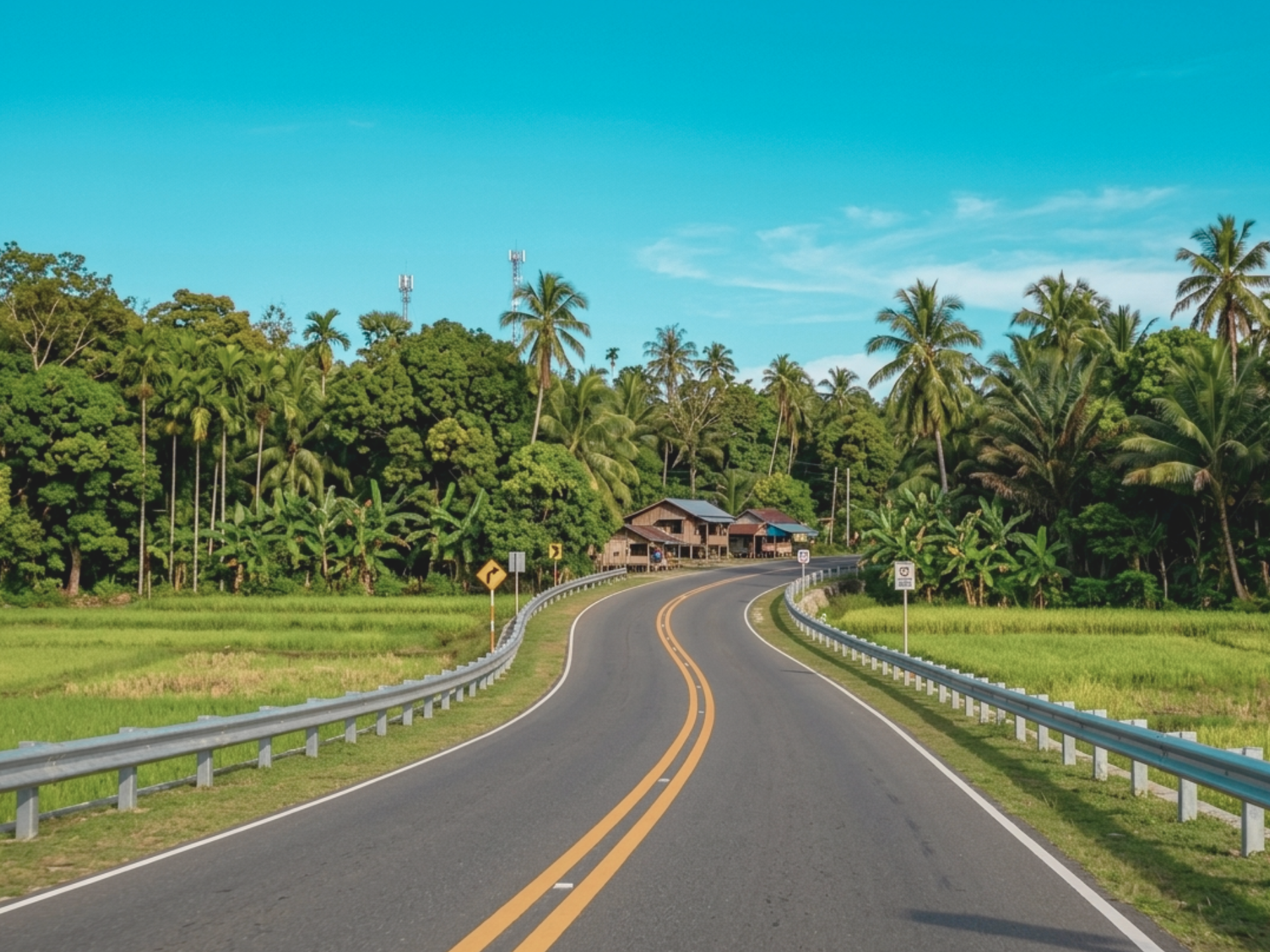
The roads snake silently alongside the shoreline. Sunsets happen gradually. The local restaurants stay small and family owned. Some nights, it becomes dark like it doesn’t anymore happen in cities.
Practical Information
- Best time: During dry season (November-March)
- Price range: ₱6,000-₱15,000
- How to reach: Ferry ride from Dumaguete or Cebu
- Length of stay: 3 days
What Tourists Usually Miss
Transportation may be unreliable if you do not know how to use a motorbike.
There are power cuts sometimes. Some beaches have rocks instead of soft white sand. Internet reception differs.
But that is precisely what gives Siquijor its charm.
What I Picked Up On
The islanders talked about tourism diplomatically. They were thankful for extra money but fearful of overcommercialization.
Another thing I picked up was that mornings are quite peaceful on Siquijor. Even crowded places returned back to quietness within minutes once tourists leave.
Tips and Remainder
Do:
- Use local coffee shops and stay at small local homestays.
- Always carry cash because ATMs may malfunction sometimes.
- Show respect to the culture.
Don’t:
- Laugh at local myths and legends.
- Play music loud on beaches.
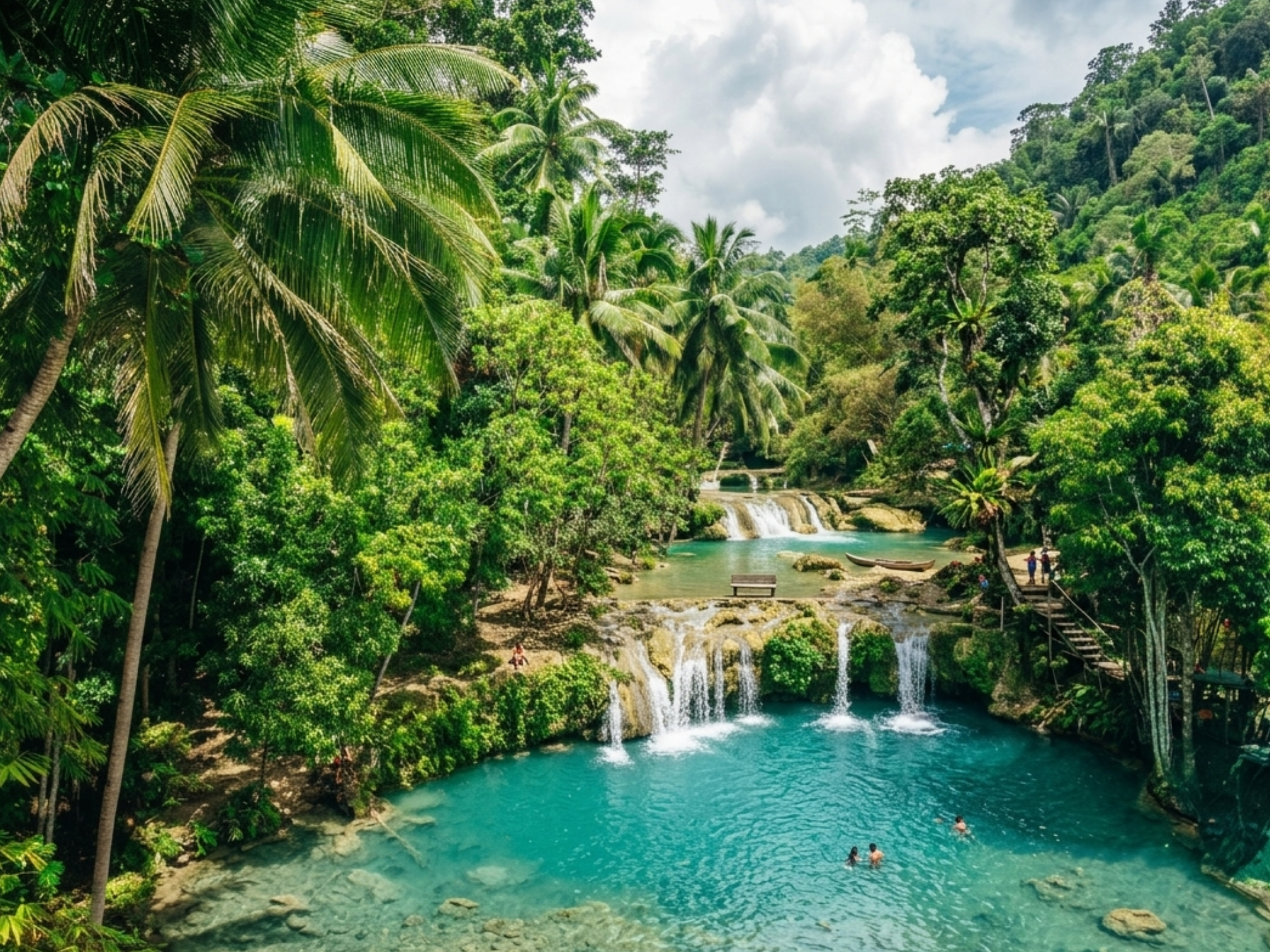
- Litter in waterfall areas and near the beach.
5. Banaue Rice Terraces — Turning Human Endurance into Landscapes
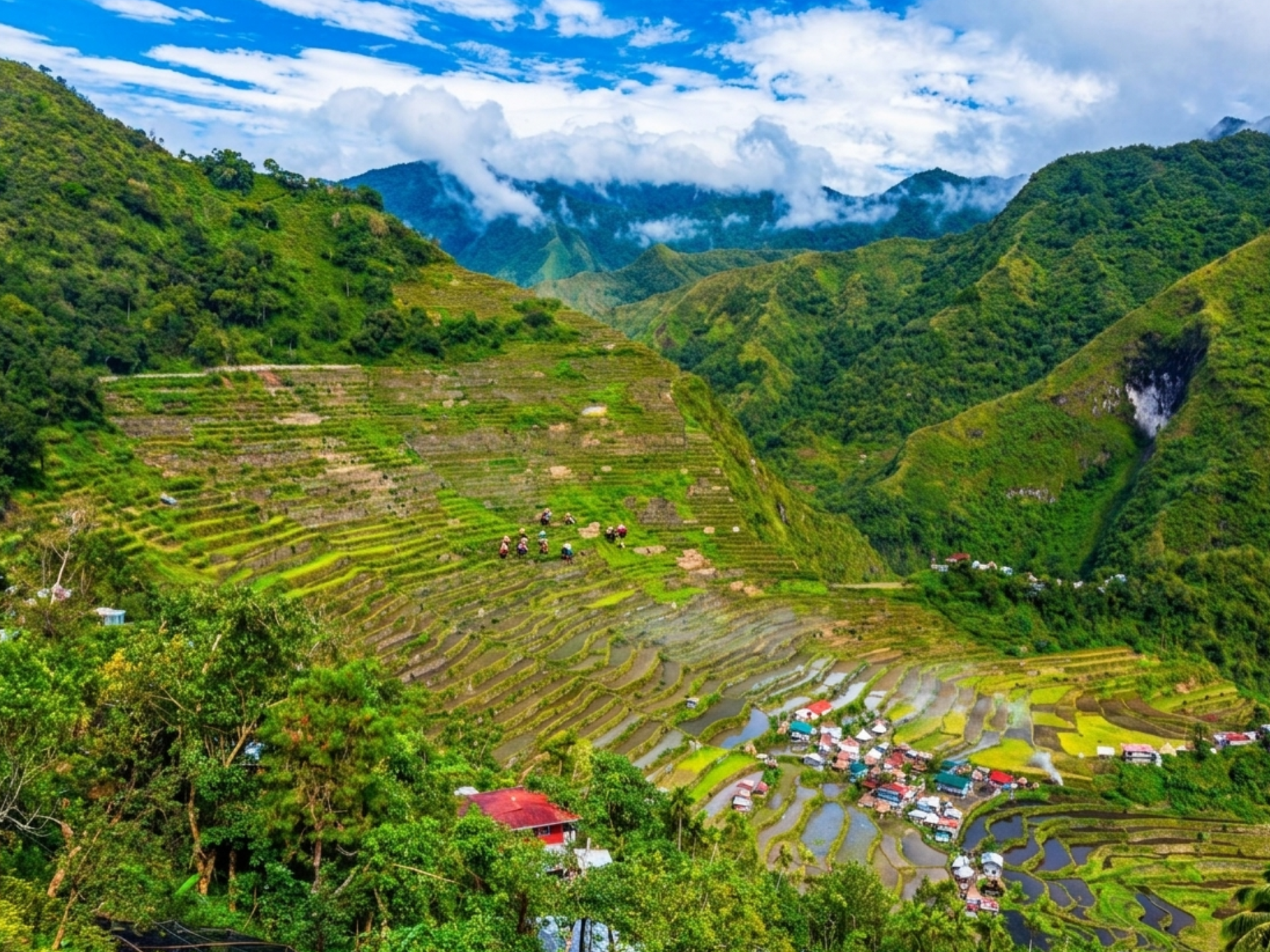
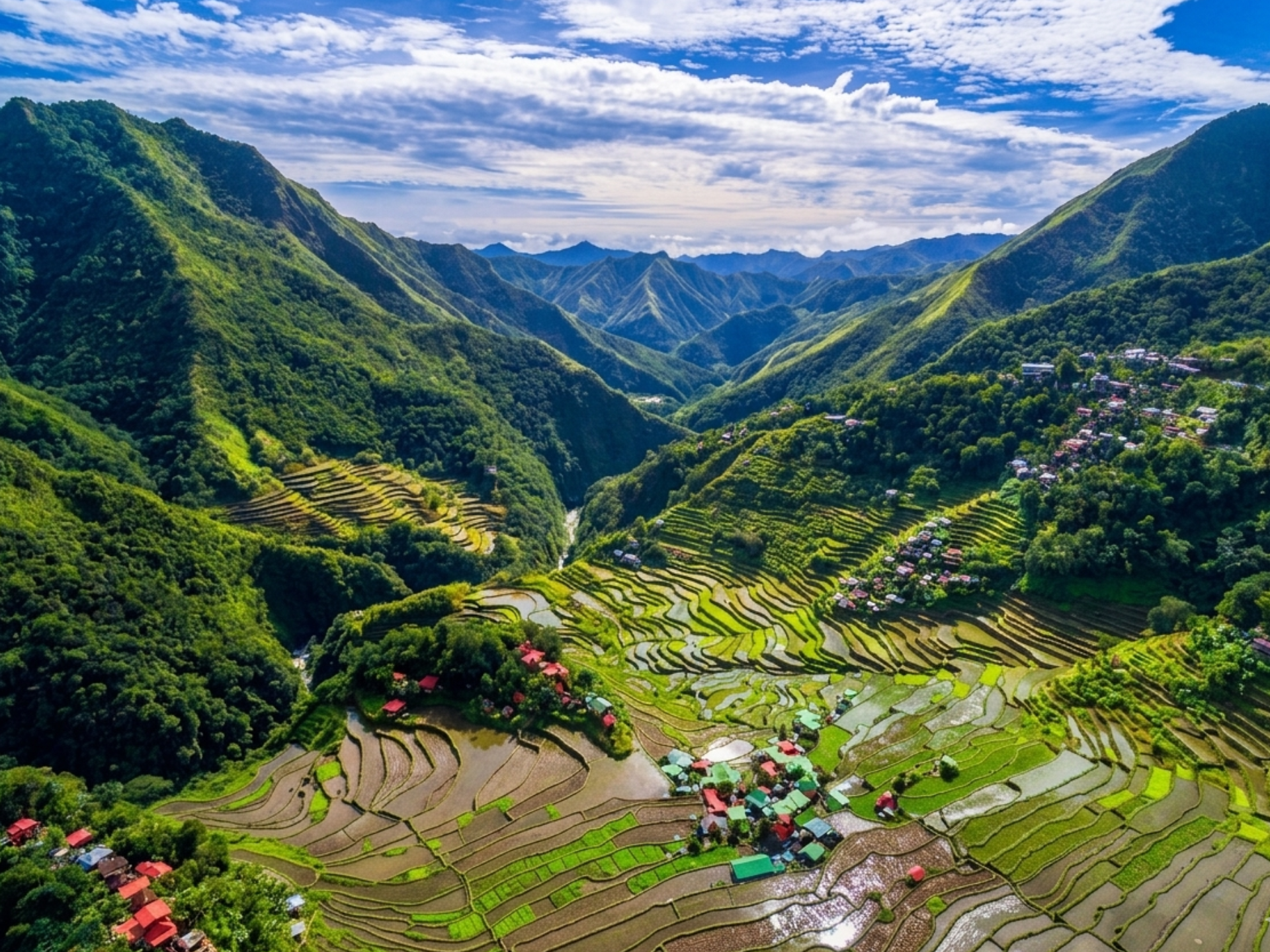
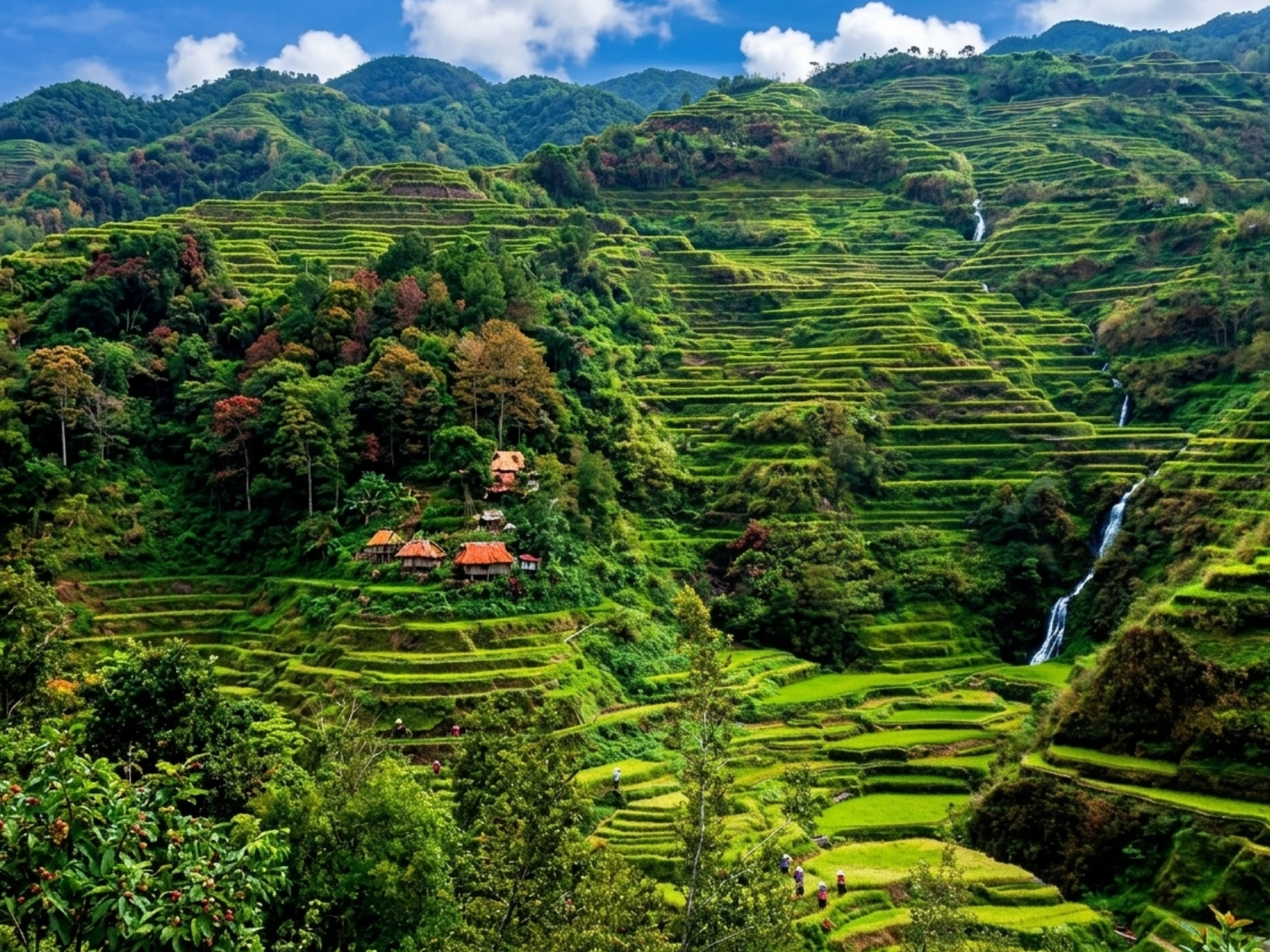
The Banaue Rice Terraces don’t seem like an illusion because they are still pristine.
The Banaue Rice Terraces seem like an illusion because they were made hundreds of years ago, without the help of modern machines.
A visit to the terraces will transform how you understand size; they cover the mountains in a layered fashion that almost resembles contour lines cut into the ground.
Travel Tips
- Best Time: March-May
- Duration: 9 hours from Manila
- Budget: ₱5,000-₱10,000
- Stay for: 2-4 days
Honest Advice: Some travelers are expecting a mountain luxury destination, only to be disappointed in the bumpy roads and simple accommodations.
Banaue is not all about comfort. It is more about culture, history, and endurance.
What I Personally Observed
The terraces seemed most emotional when there were clouds, not sunny conditions.
The mist rolling over the mountains made the scenery feel more historical and alive.
There was also worry among locals about younger people abandoning farming due to economics.
Tips and Remainder
Do:
- Hire local guide services.
- Educate yourself about cultural etiquette.
- Prepare for rugged terrain.
Don’t:
- Walk recklessly on terrace borders.
- View terraces as mere photo spots.
- Litter mountain pathways.
6. Camiguin — A Small Island with An Unusual Emotional Load
Camiguin seems to have an unusual emotional atmosphere compared to other islands.
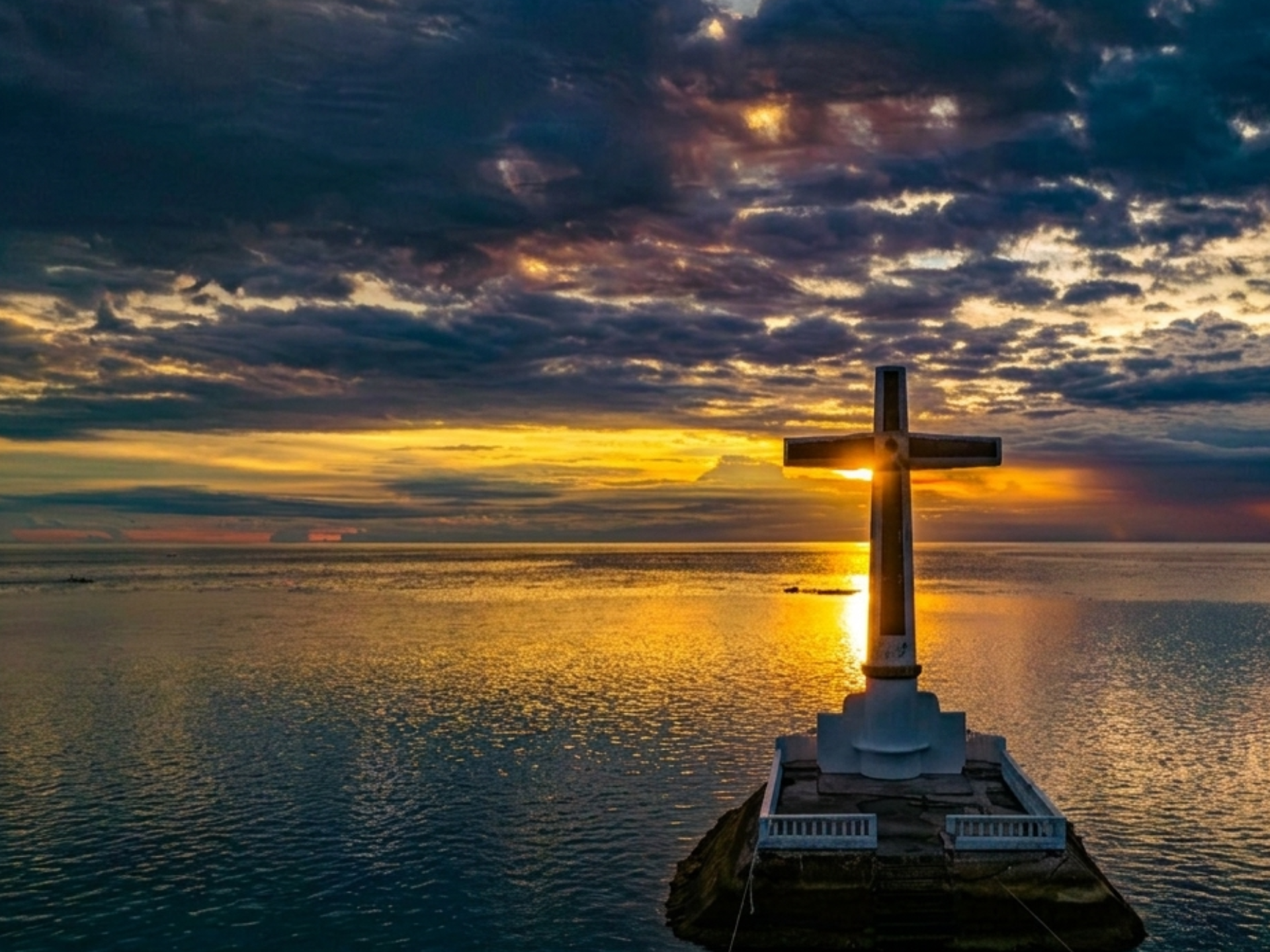
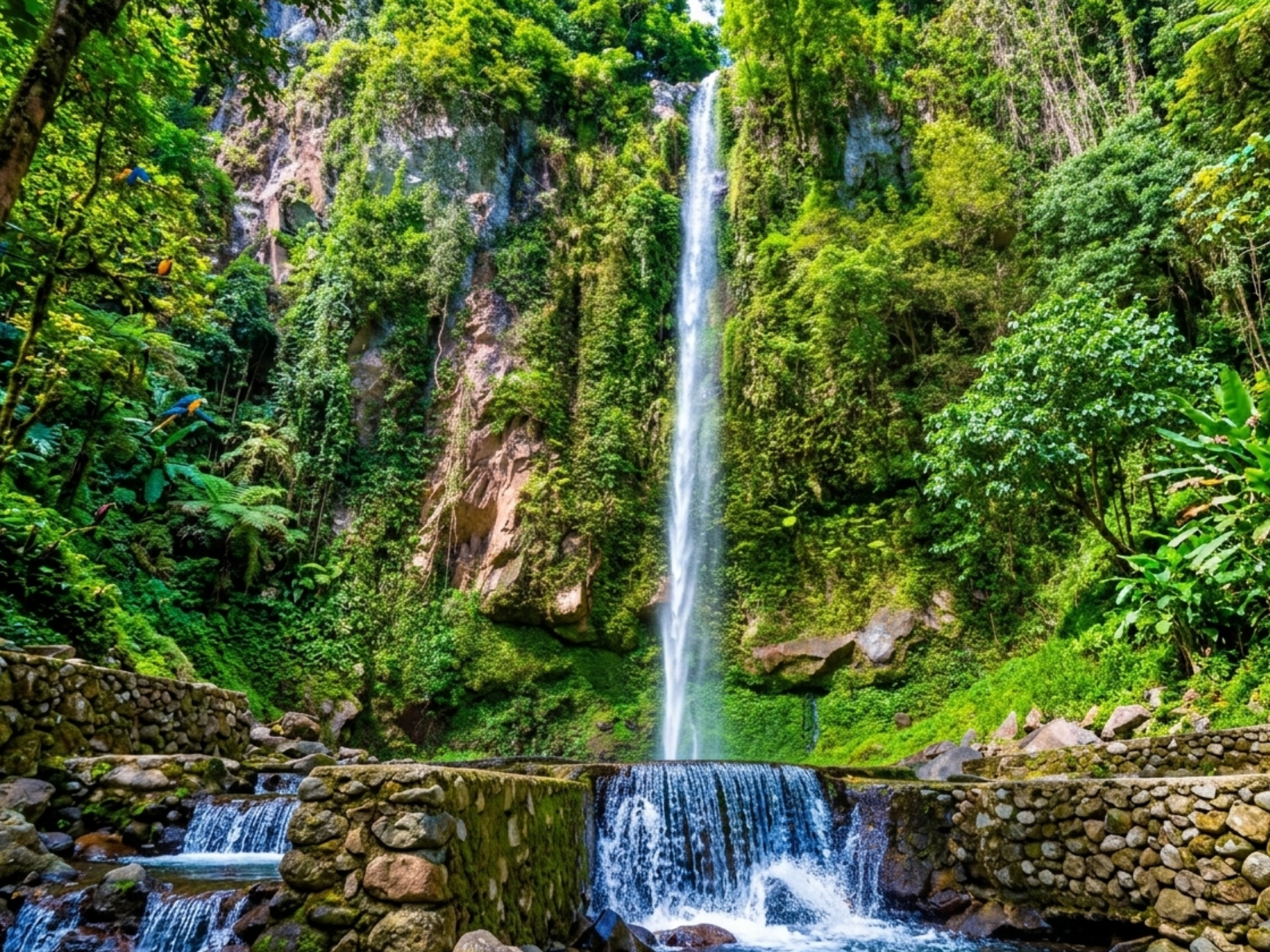
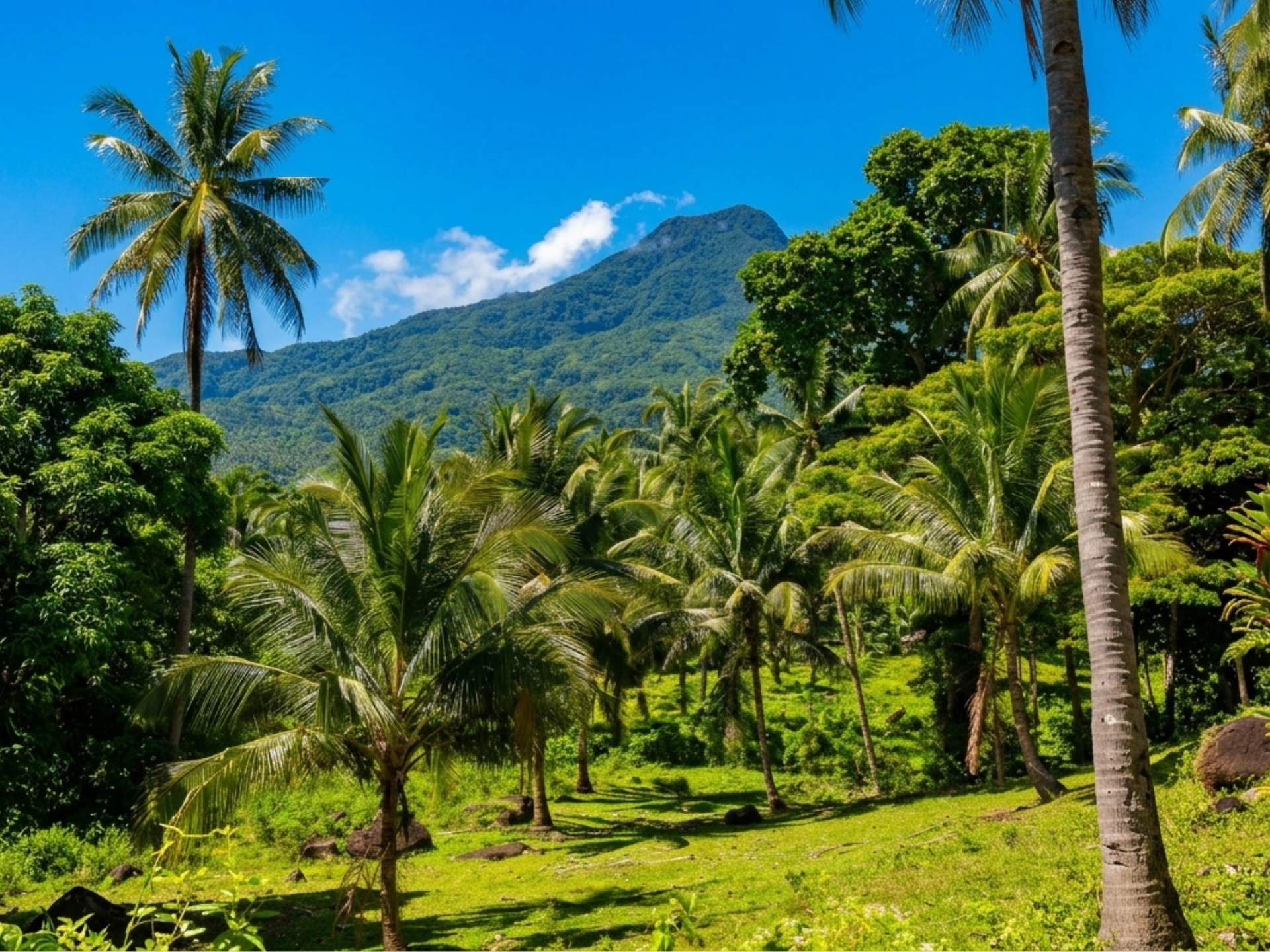
Possibly due to the smallness of this volcanic island with all its elements – waterfalls, geysers, cemeteries engulfed by the sea, calm coastal roads with coconut palms.
The place has both beauty and an unusual feeling of fragility.
Travel Info
- Best time of year: March-June
- Price range: ₱7,000 – ₱15,000
- Optimum time for travel: 3-4 days
- Access: Flights from Cagayan de Oro, season-dependent flights from other airports.
What Travellers Overlook
Despite being quite small on a map, weather changes very fast in Camiguin, which may result in unpredictable ferry timetables. Night transportation becomes unavailable.
However, this slowness is a part of the atmosphere itself.
My Personal Observations
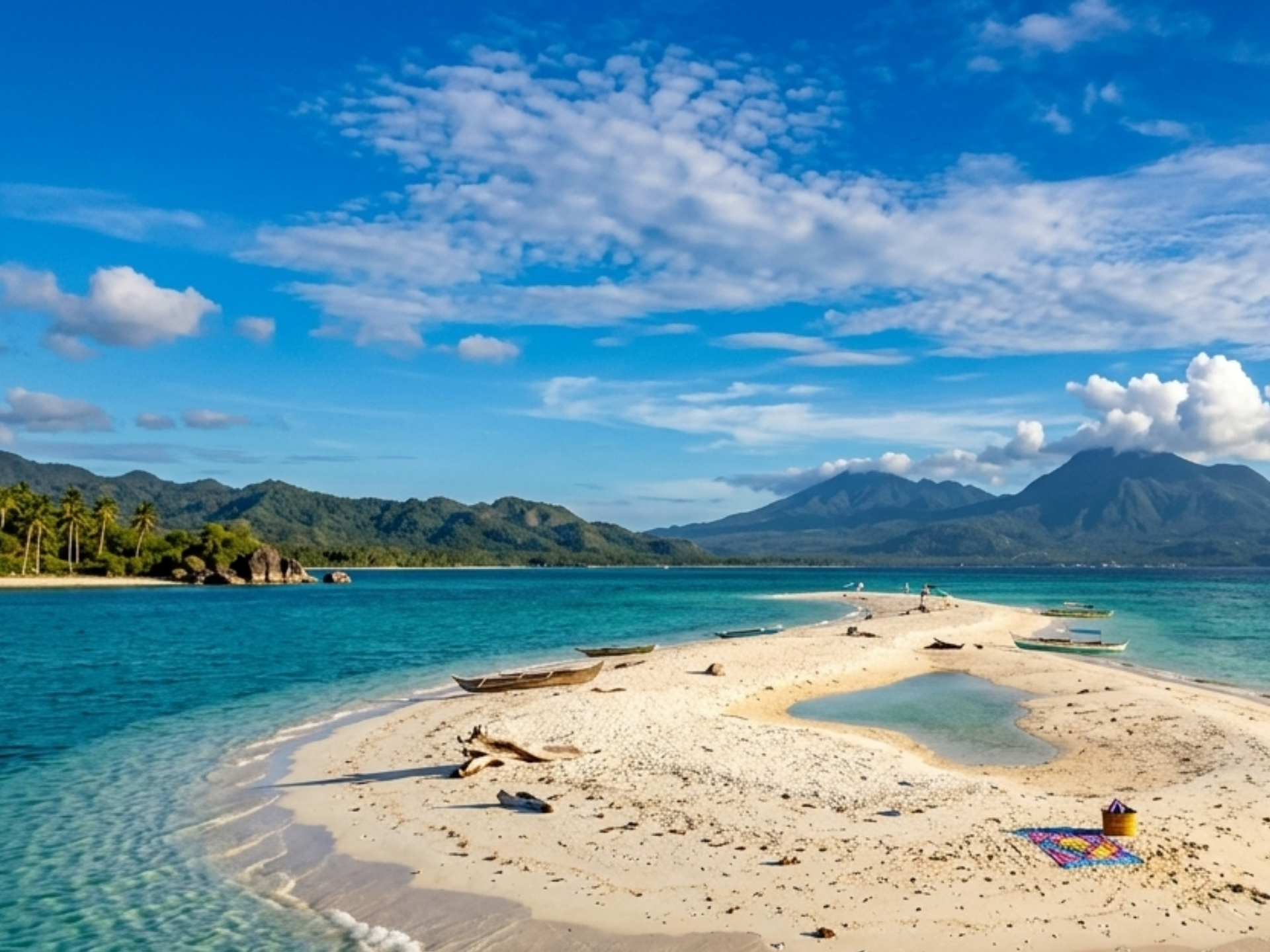
Sunrise on White Island seemed like viewing something that was created rather than already existed — like standing inside an unfinished picture.
There is also an unusual feeling associated with the Sunken Cemetery.
Tips and Remainder
Do:
- Plan your activities early, before the heat gets unbearable.
- Show respect for memorials.
- Pack waterproof backpacks.
Don’t:
- Forget about the weather reports.
- Litter the sandbars with plastic.
- Spend just one day exploring the entire island.
While some of the most beautiful spots in the Philippines may not be easy to access, some of those that appeared most surreal actually demanded quite a bit of time and patience as well as possibly unpredictable weather conditions.
7. Dinagat Islands – The Untouched Version of the Philippines
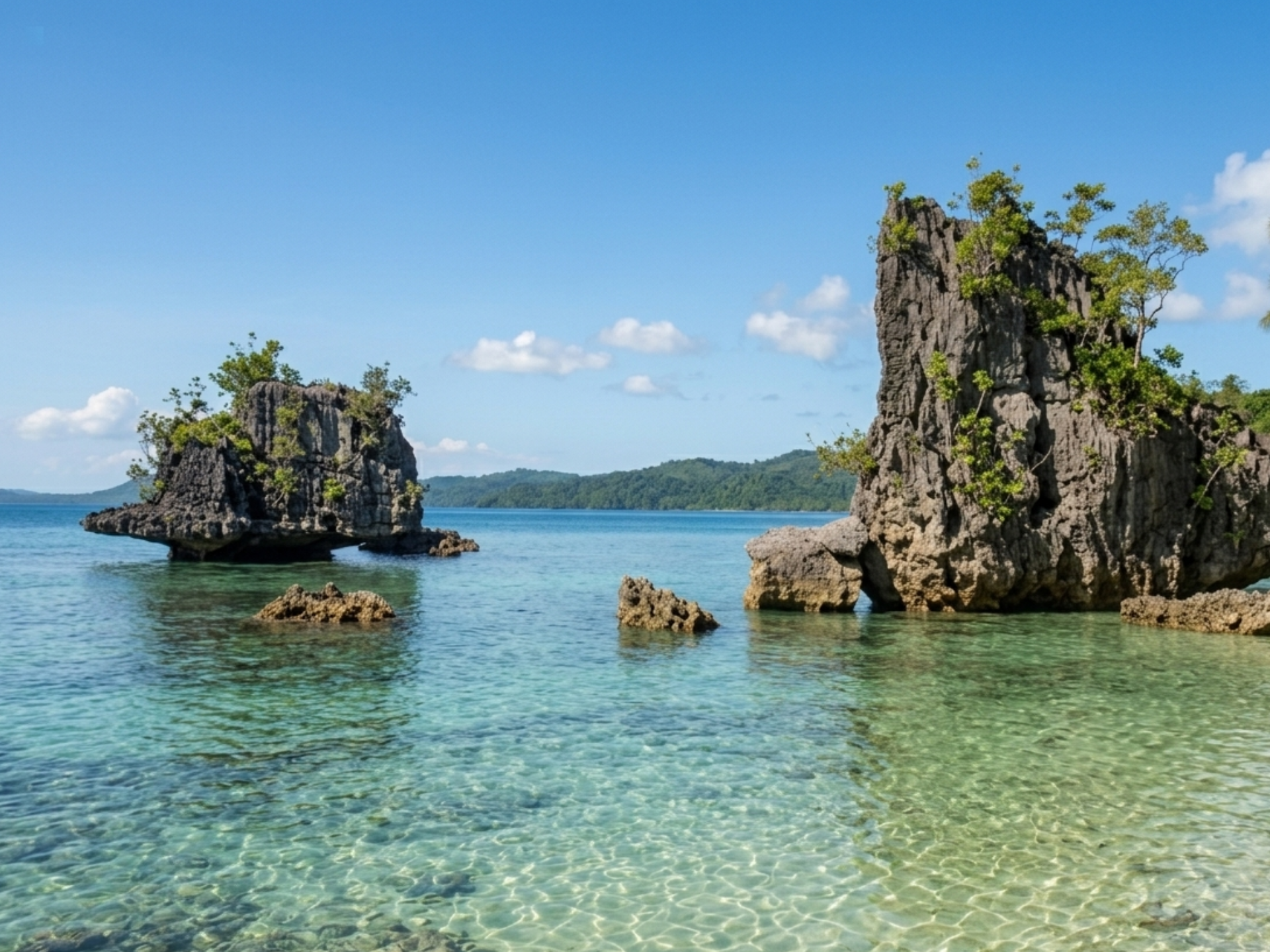
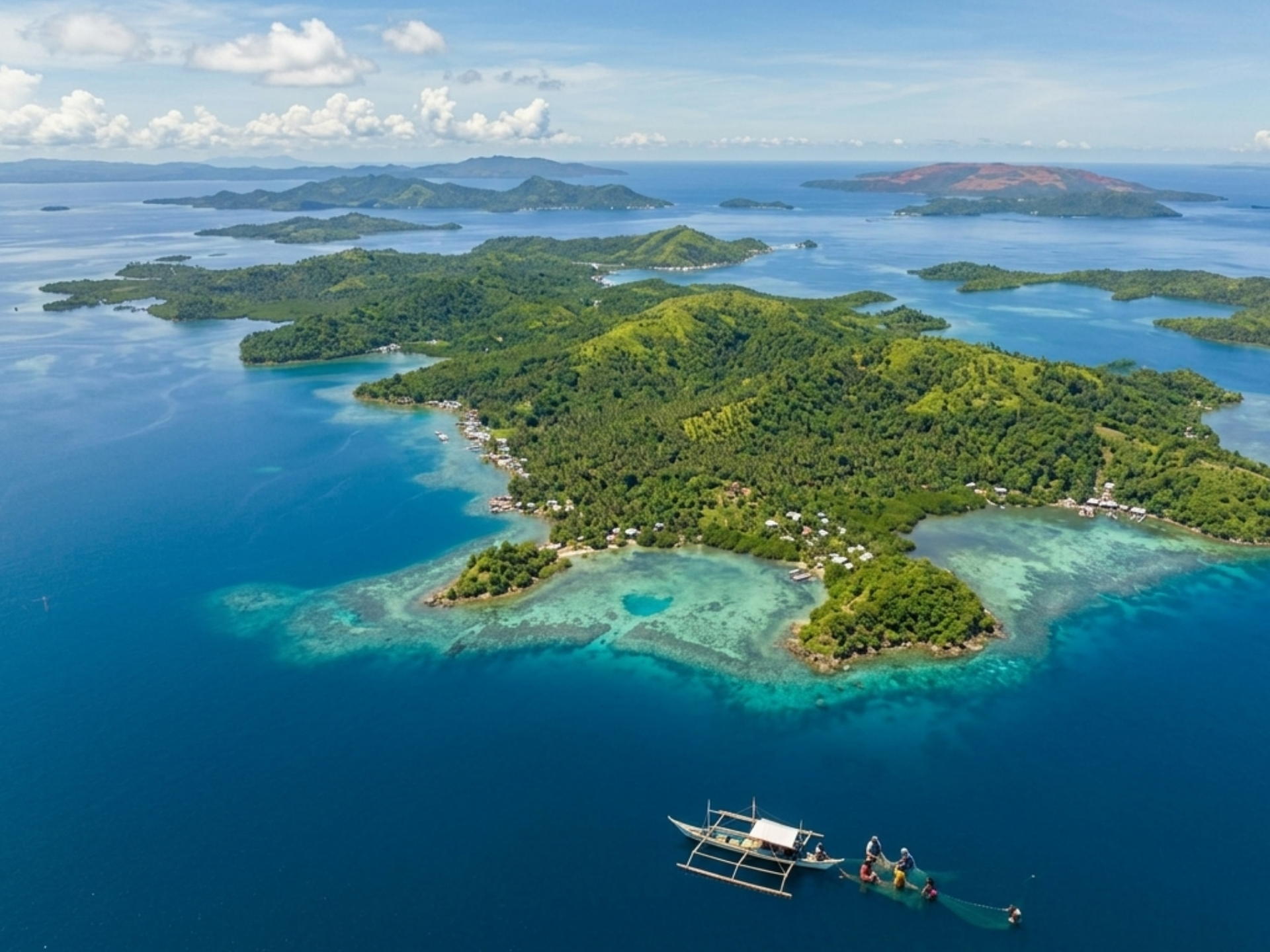
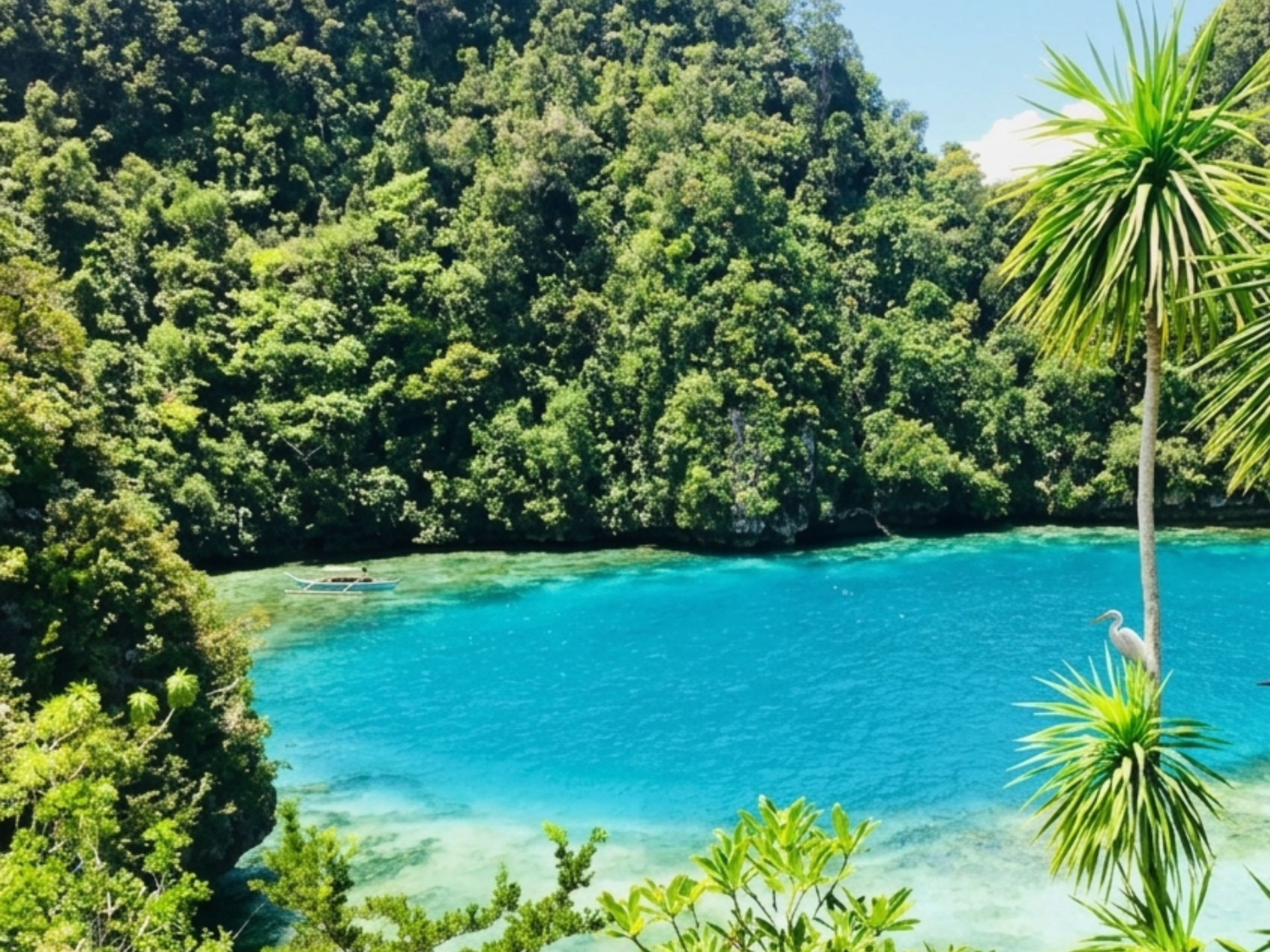
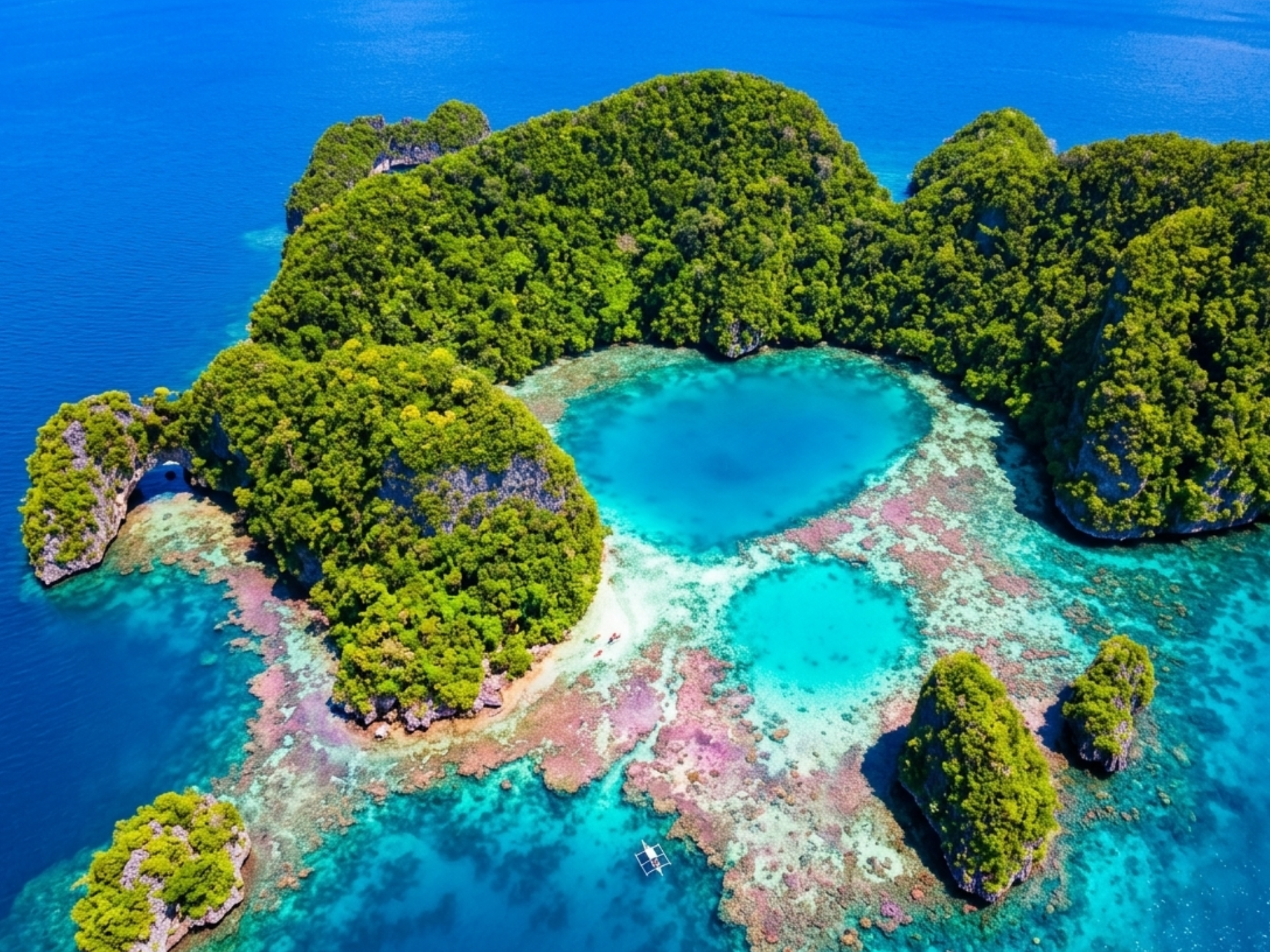
There’s nothing quite like Dinagat Islands when imagining the untouched version of the Philippines before tourism.
Rugged cliffs. Deserted shores. Crystal clear water under sunlight as though it were artificially made.
But there’s no escaping Dinagat Islands’ difficulty in conserving the area.
Practical Information
- Best Time to Visit: March – June
- Travel Difficulty Level: Moderate to Difficult
- Cost Range: ₱8,000-₱18,000
- Perfect Number of Days: 4 days
Honest Truth
Lack of infrastructure in certain areas.
Definitely not for the traveler looking for conveniences in travel. Coordination of transportation takes work and disruption by weather conditions may happen.
But then again, that lack of overdevelopment was what made the landscapes so emotional.
Observations Made
I’ve said before how quiet places like Batanes or Sagada are.
But it isn’t that quiet here because silence seemed prehistoric even along coastal areas.
Tips and Remainders
Do:
- Take local guides.
- Treat ecosystems in the area with respect.
- Carry plenty of cash and essentials.
Don’t:
- Think the place offers luxurious facilities.
- Collect shells and corals.
- Underestimate the distance traveled.
8. Coron — Where the Water Seem Unreal
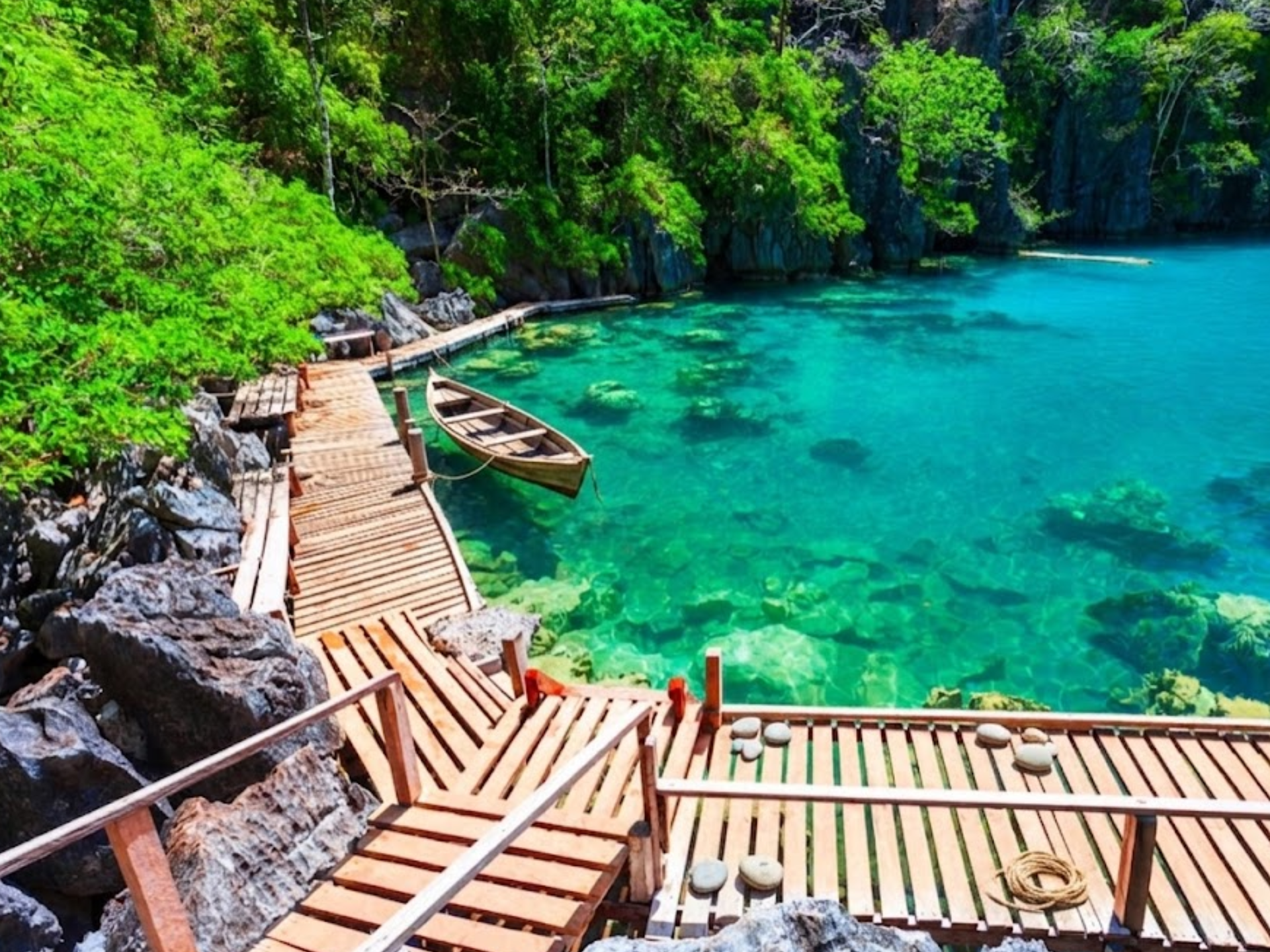
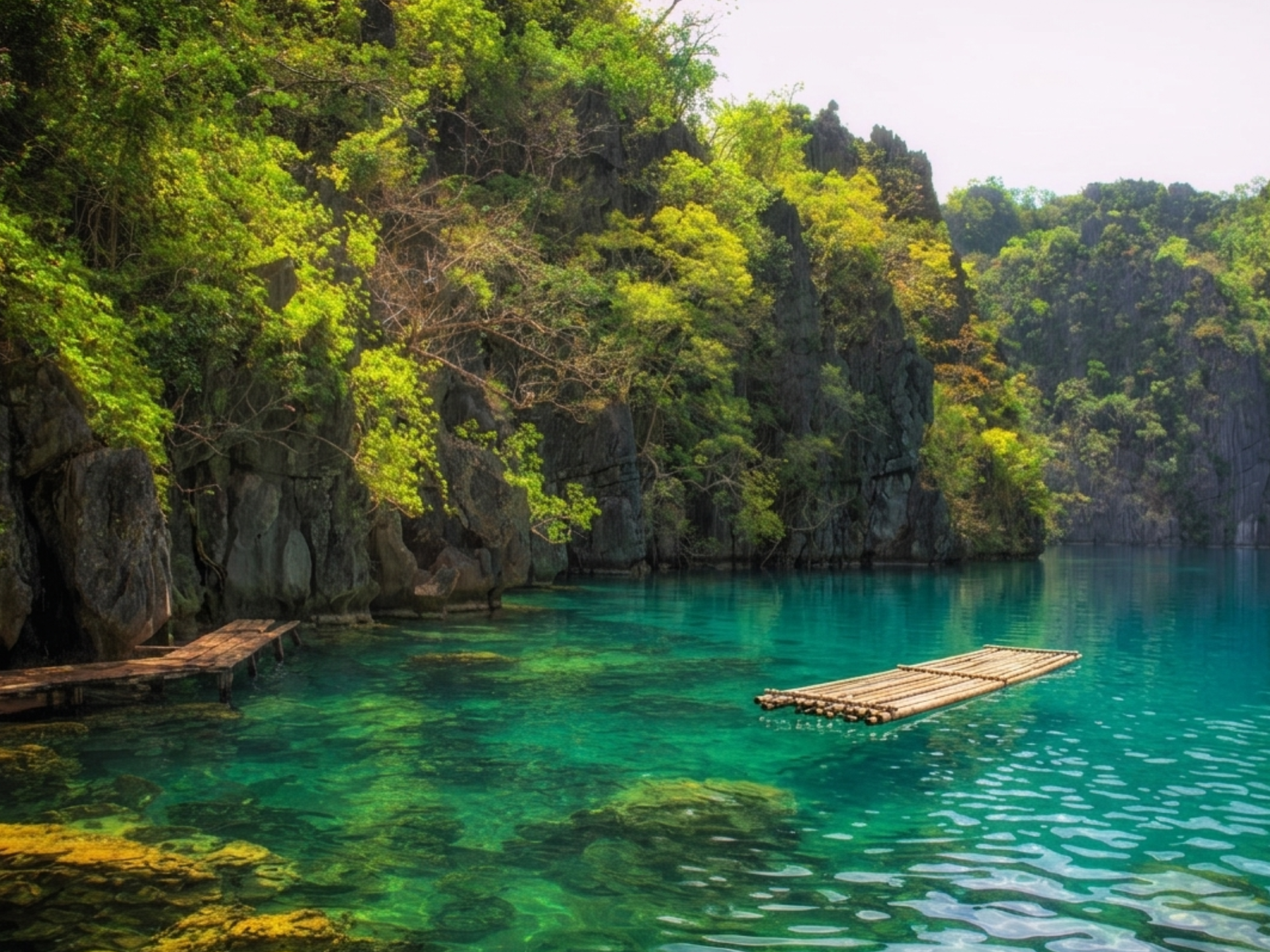
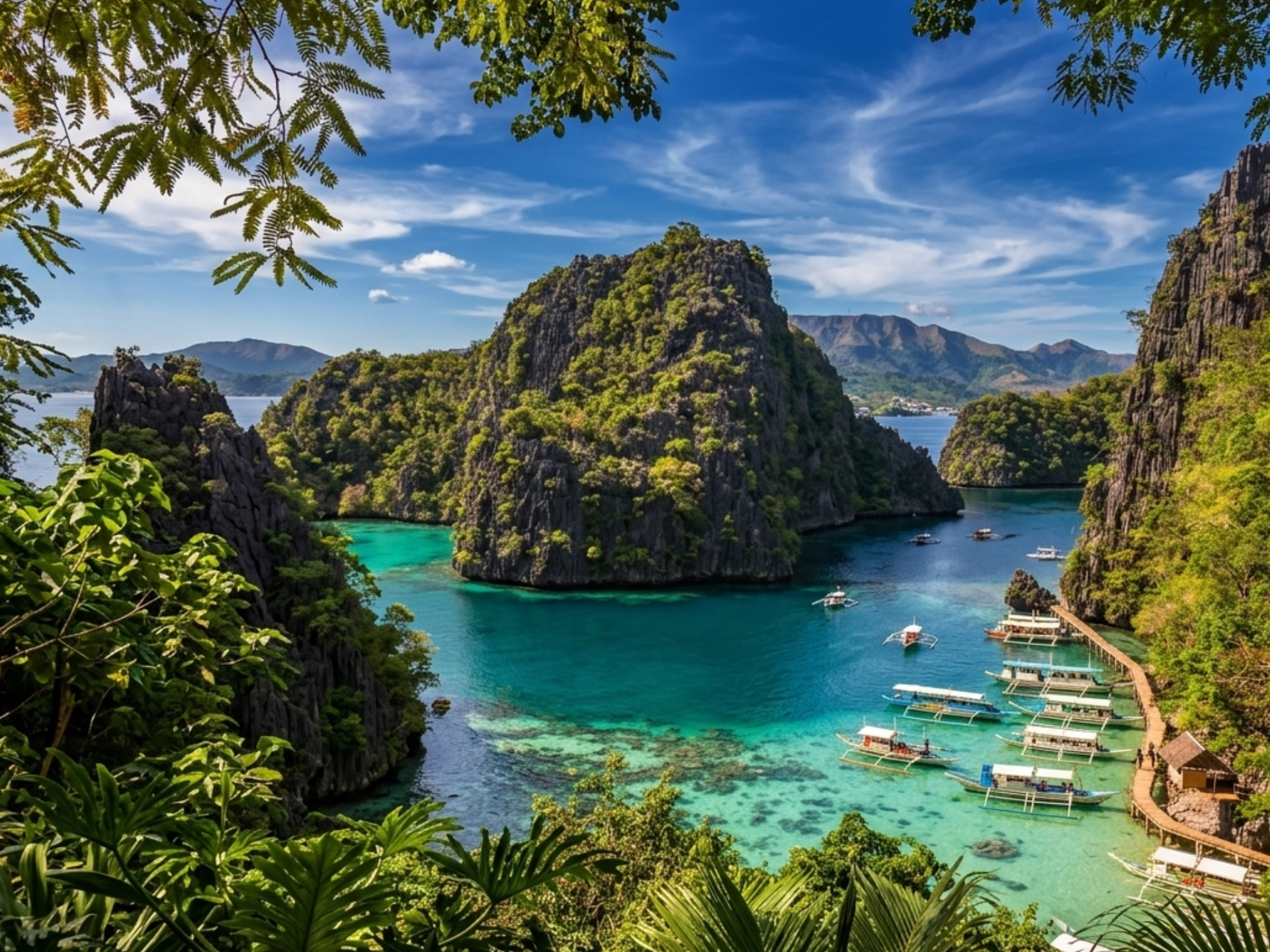
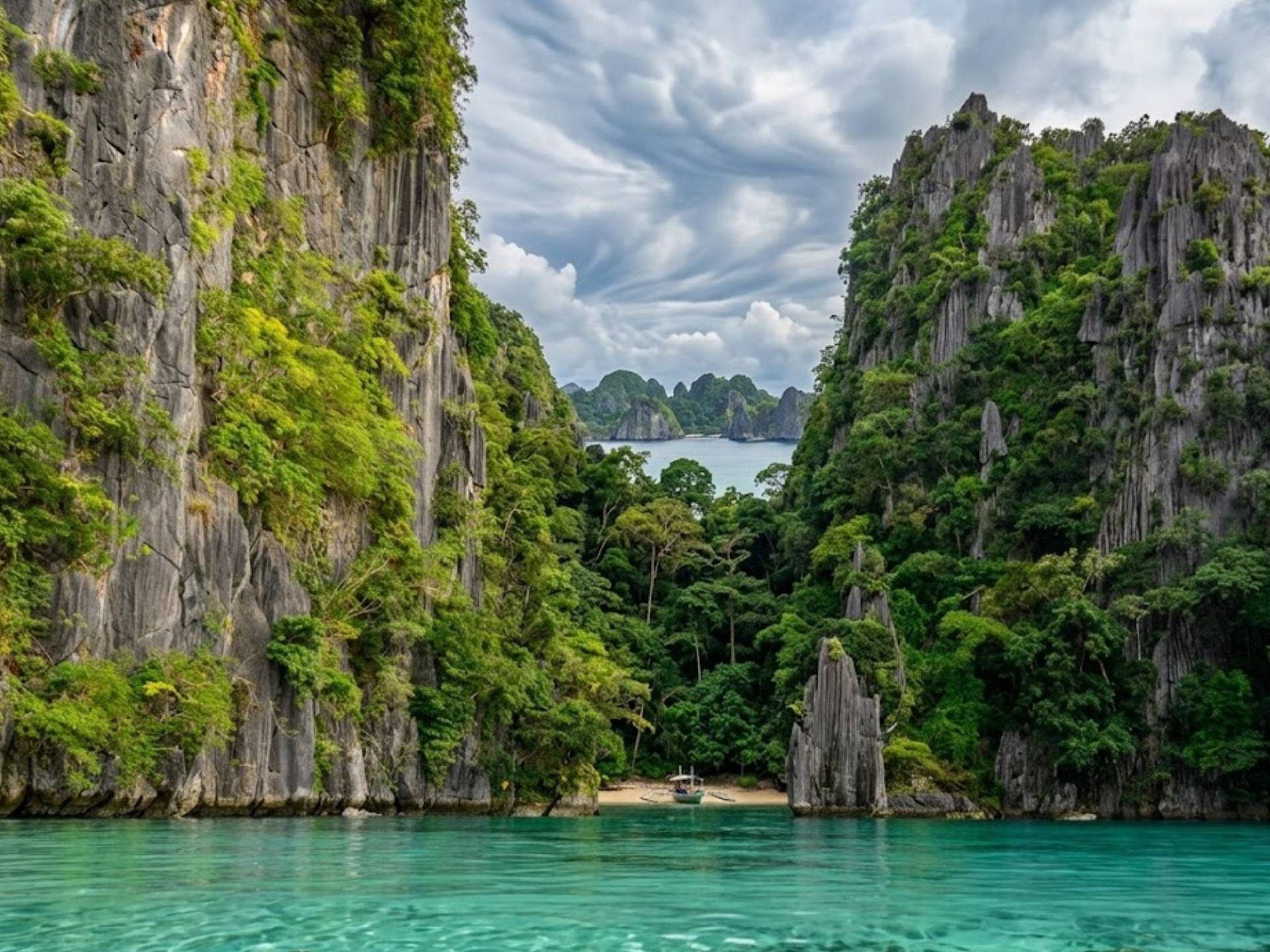
For a reason, locations like Coron or El Nido are constantly mentioned when talking about some of the most beautiful places in the Philippines. And despite all that time seeing them on the Internet, they somehow remain unreal to experience.
Even though El Nido is usually listed alongside Coron, one can easily distinguish these two locations emotionally speaking.
There is something sharper about Coron.
Its cliffs are darker. Its lakes are calm and enclosed. Lakes like Kayangan have an almost unreal appearance due to how transparent the water becomes in its sunny areas.
Travel Information
- Season for tourism: November-May
- Cost: ₱10,000-₱25,000
- Days needed to visit: 4days
What Tourists Usually Misinterpret
The climate becomes exhausting during the peak seasons. The lagoons also get too crowded to visit past noon.
My Personal Observation
The thing that I will remember about Coron most of all is not something that happened underwater.
I will remember standing on my boat and seeing the limestone cliffs mirrored on the water on a late afternoon because the horizon almost vanished due to the mirrored landscape.
Tips and Remainders
Do:
- Go to lakes early.
- Observe snorkeling prohibitions.
- Drink enough throughout the day.
Don’t:
- Inappropriate contact with the wrecks of ships.
- Disregard marine life preservation laws.
- Expect loneliness during vacations.
9. Bukidnon – The Philippines That Tourists Hardly Ever See
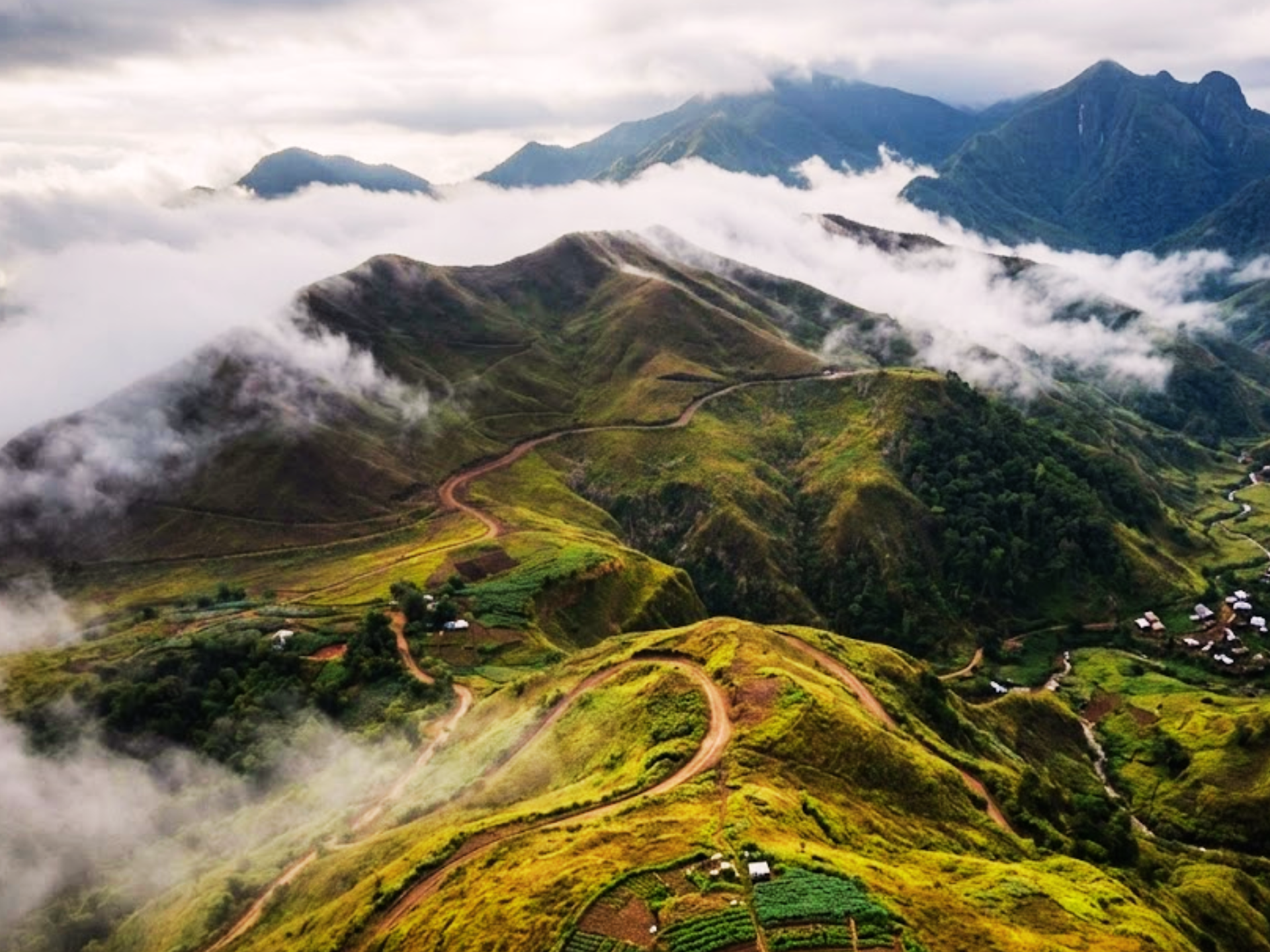
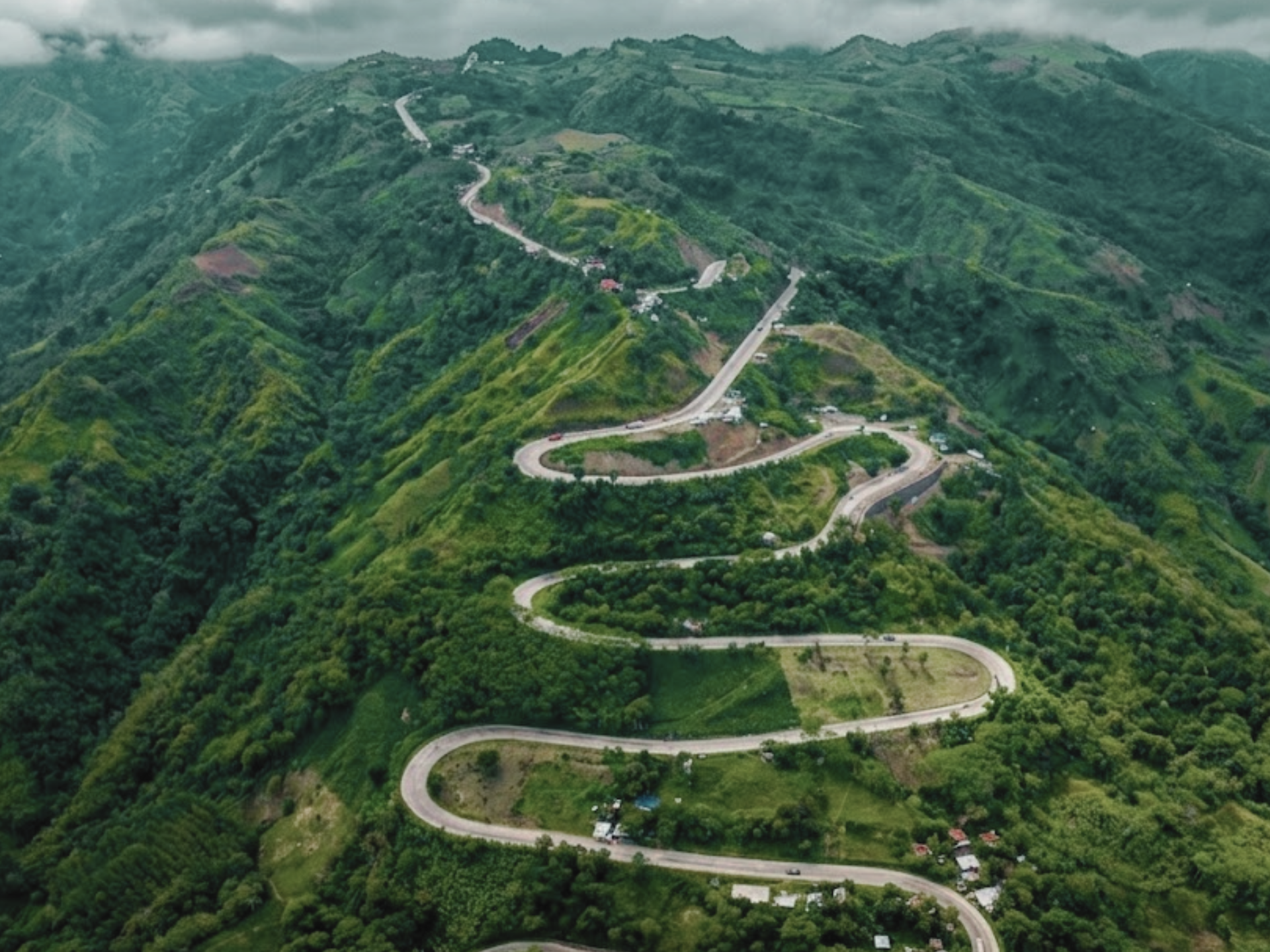
Of all the places I visited, Bukidnon impressed me the most.
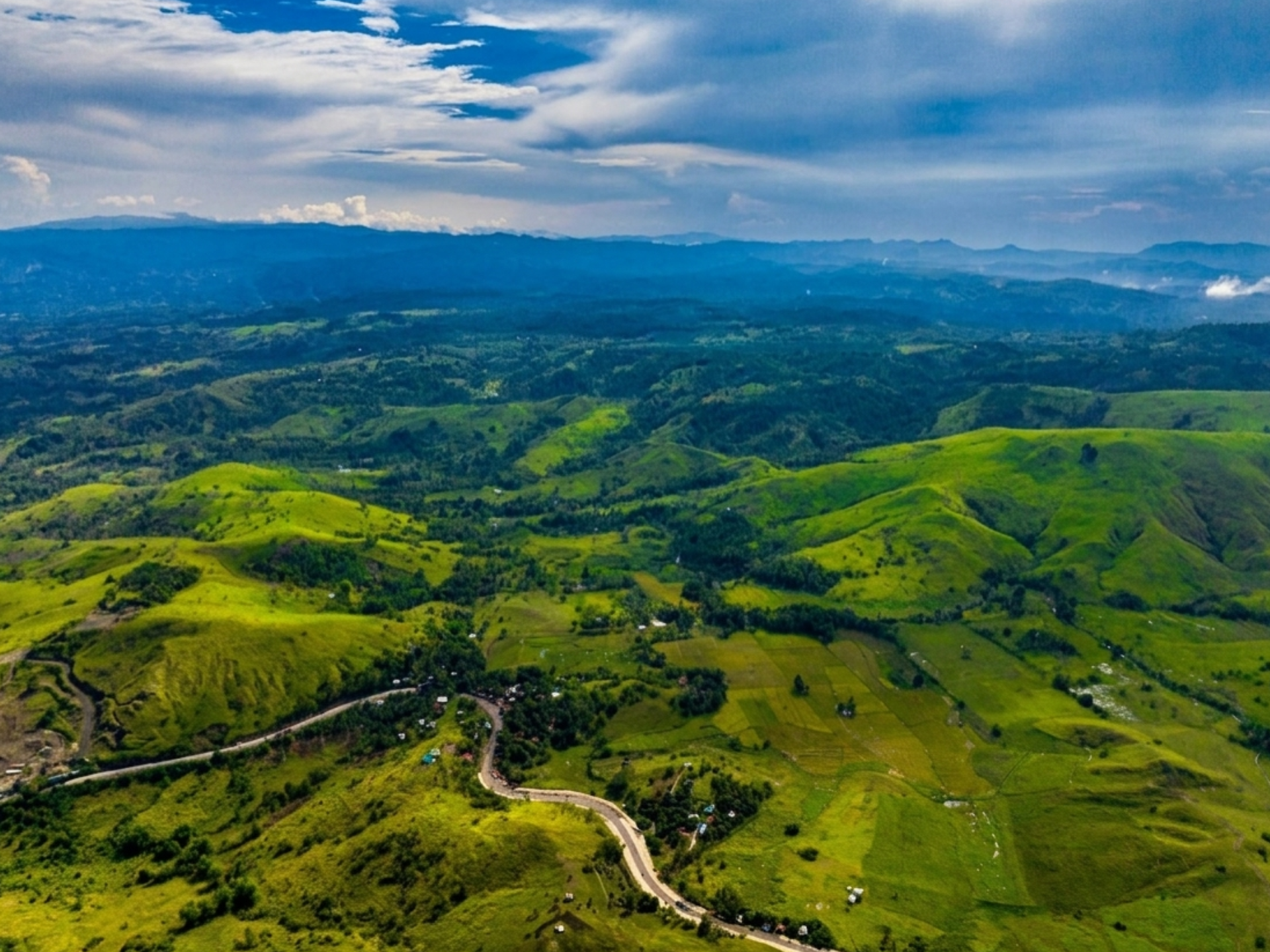
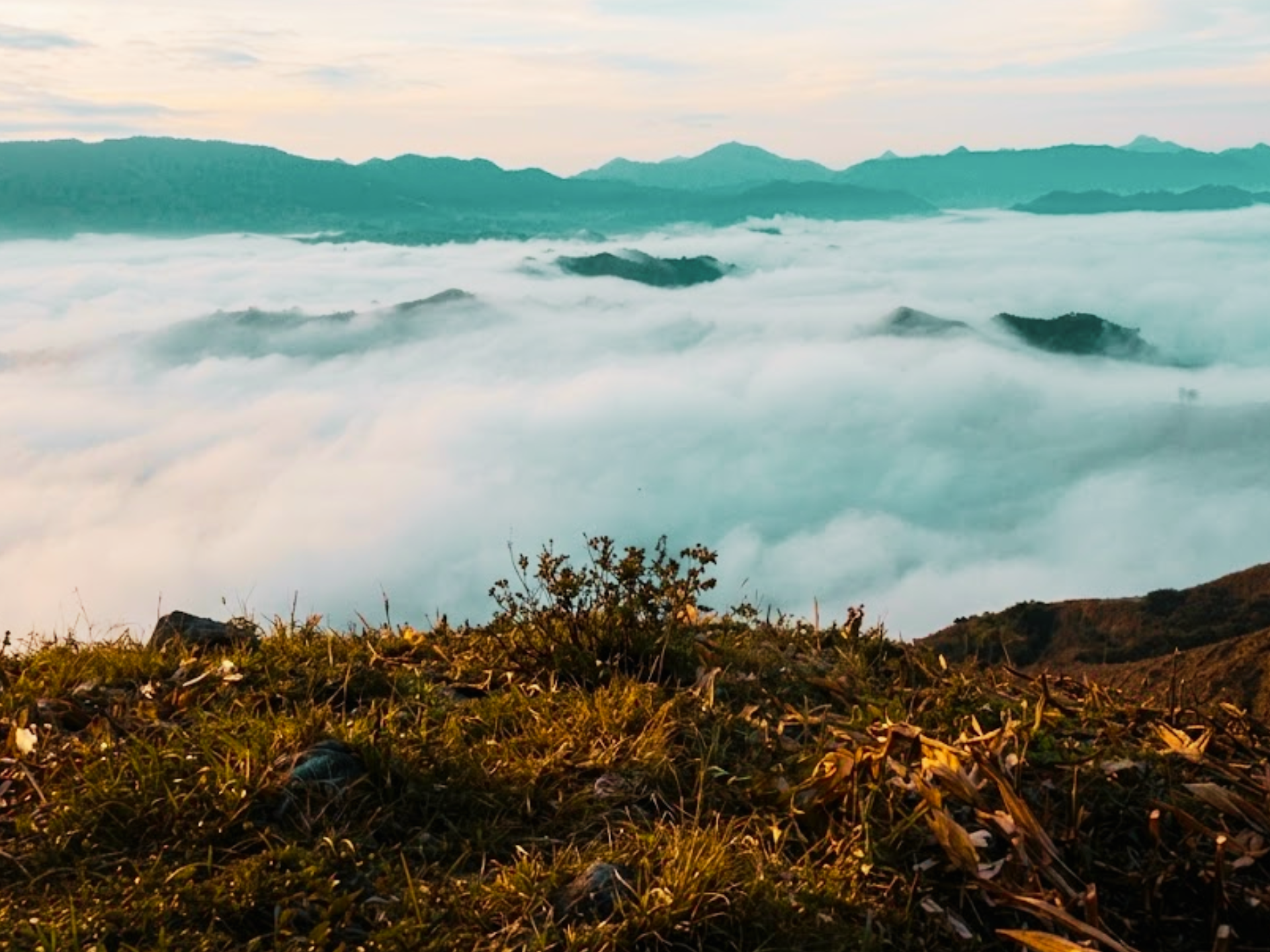
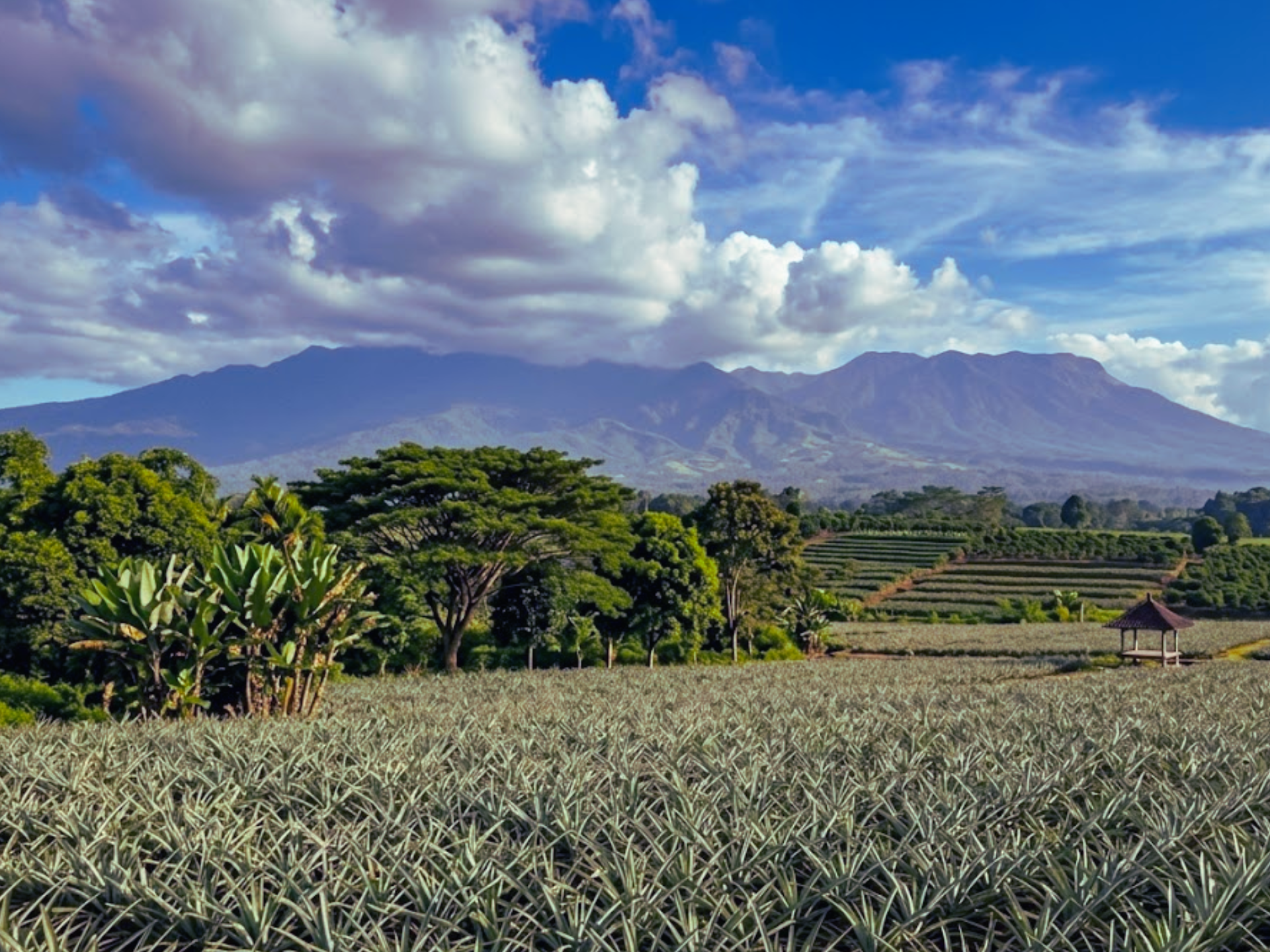
The place feels spacious and vast. Hills stretch on forever. Roads wind through mountains and through plantations. The morning mist turns the scenery into something magical.
Travel Tips
- Best time of the year to visit: December to May
- Recommended budget: ₱6,000-₱15,000
- Recommended period of stay: 3-5 days
Travel Facts
Getting around from attraction to attraction by public transport might prove hard.
The weather tends to change quickly in the mountains, and some roads turn inaccessible when it rains.
What I Picked Up Personally
Bukidnon offered an atmosphere that was much quieter compared to other tourist destinations due to the lack of people with expectations.
There’s no need to play a role while traveling here.
Tips and Remainder
Do’s:
- Be prepared for a cold morning.
- Support local farms and cafes.
- Drive safely on mountain roads.
Don’t’s:
- Miscalculate your journey from attraction to attraction.
- Litter at campsites.
- Count on signal in every place.
10. Siargao — More Than Just Surfing and Instagram
There has been a huge transformation of Siargao in the last ten years.
Some tourists regard it as too commercialized while others find it as their favorite paradise on earth. Most likely, reality will lie somewhere in between.
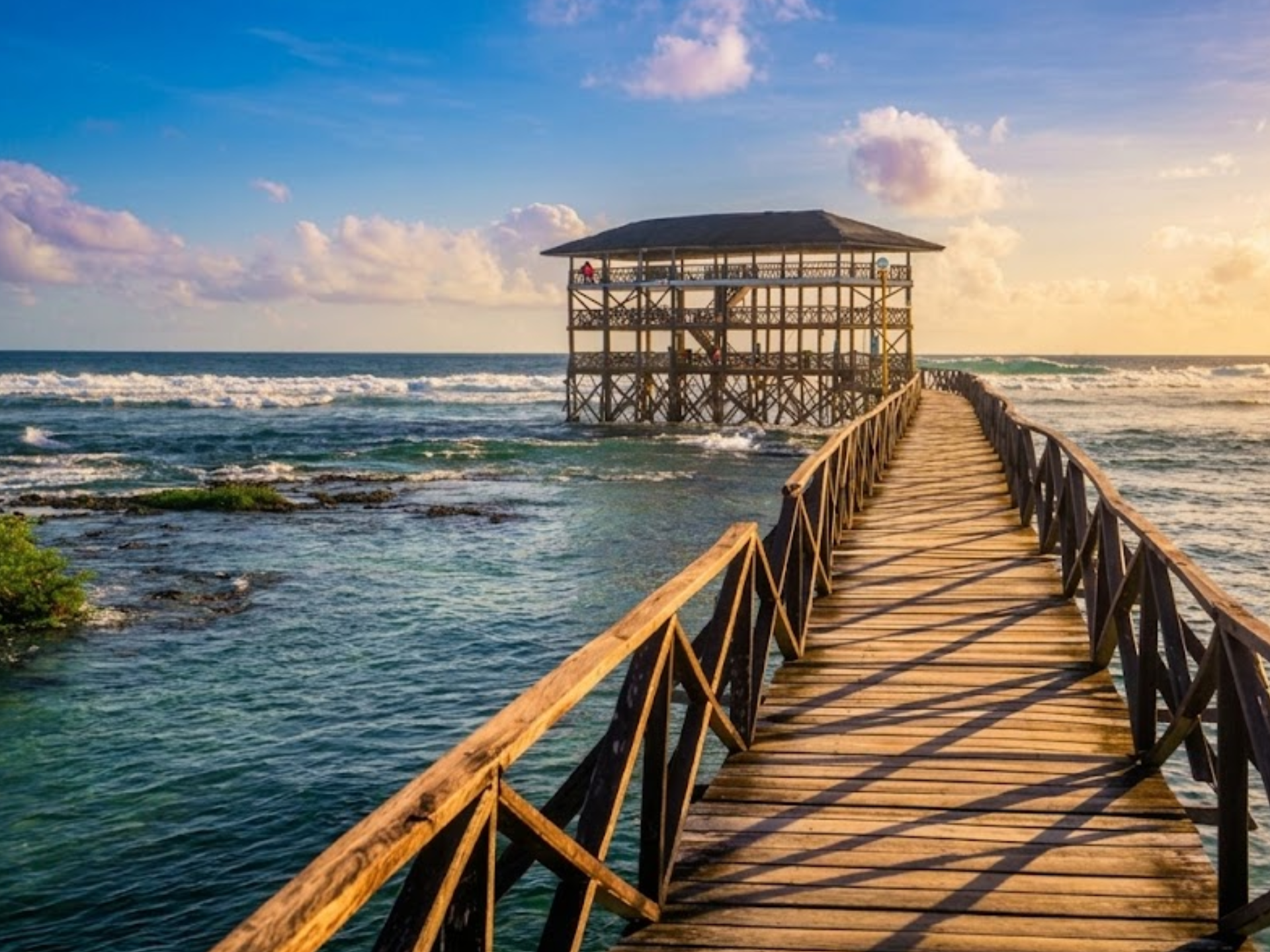
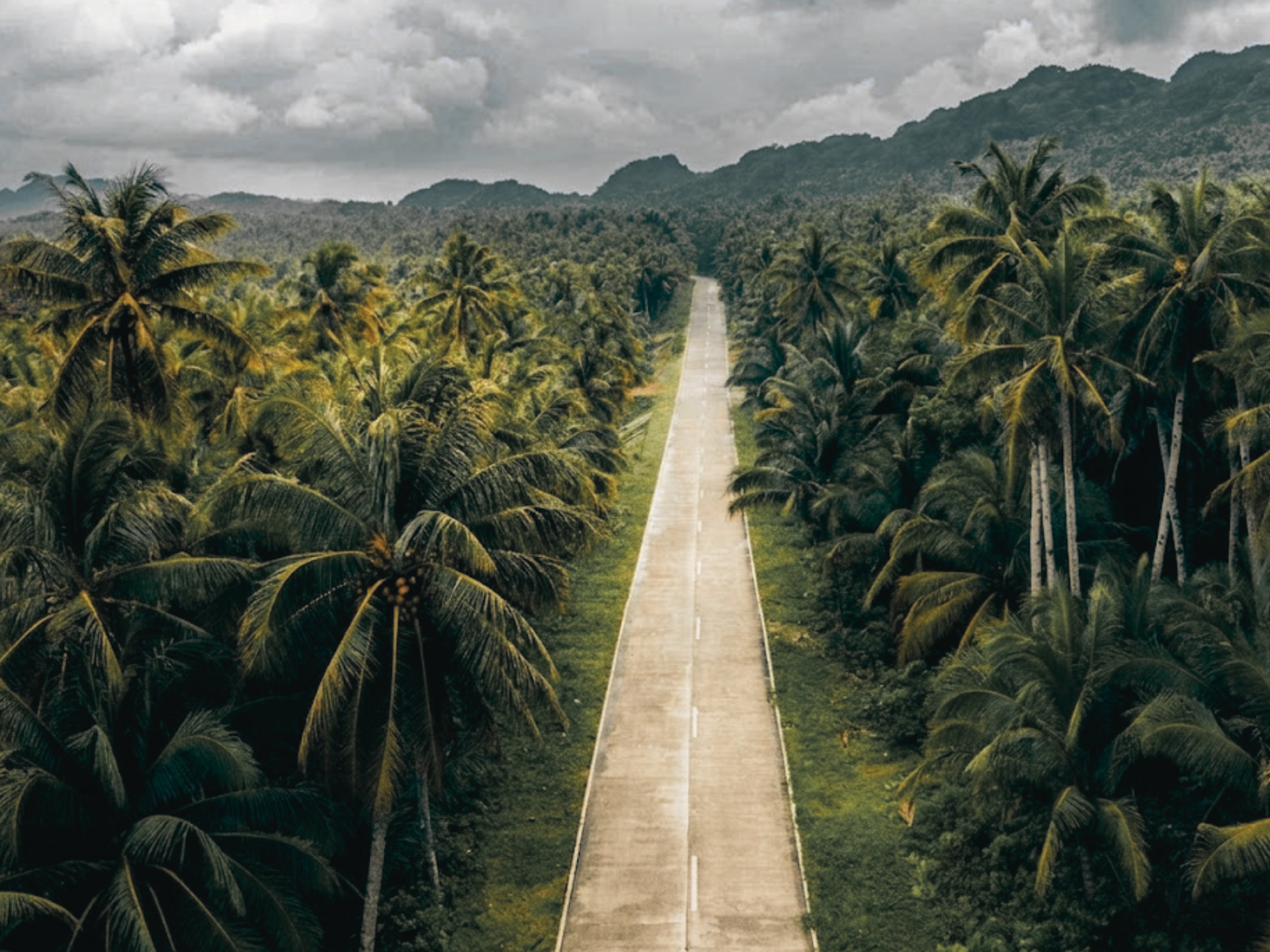
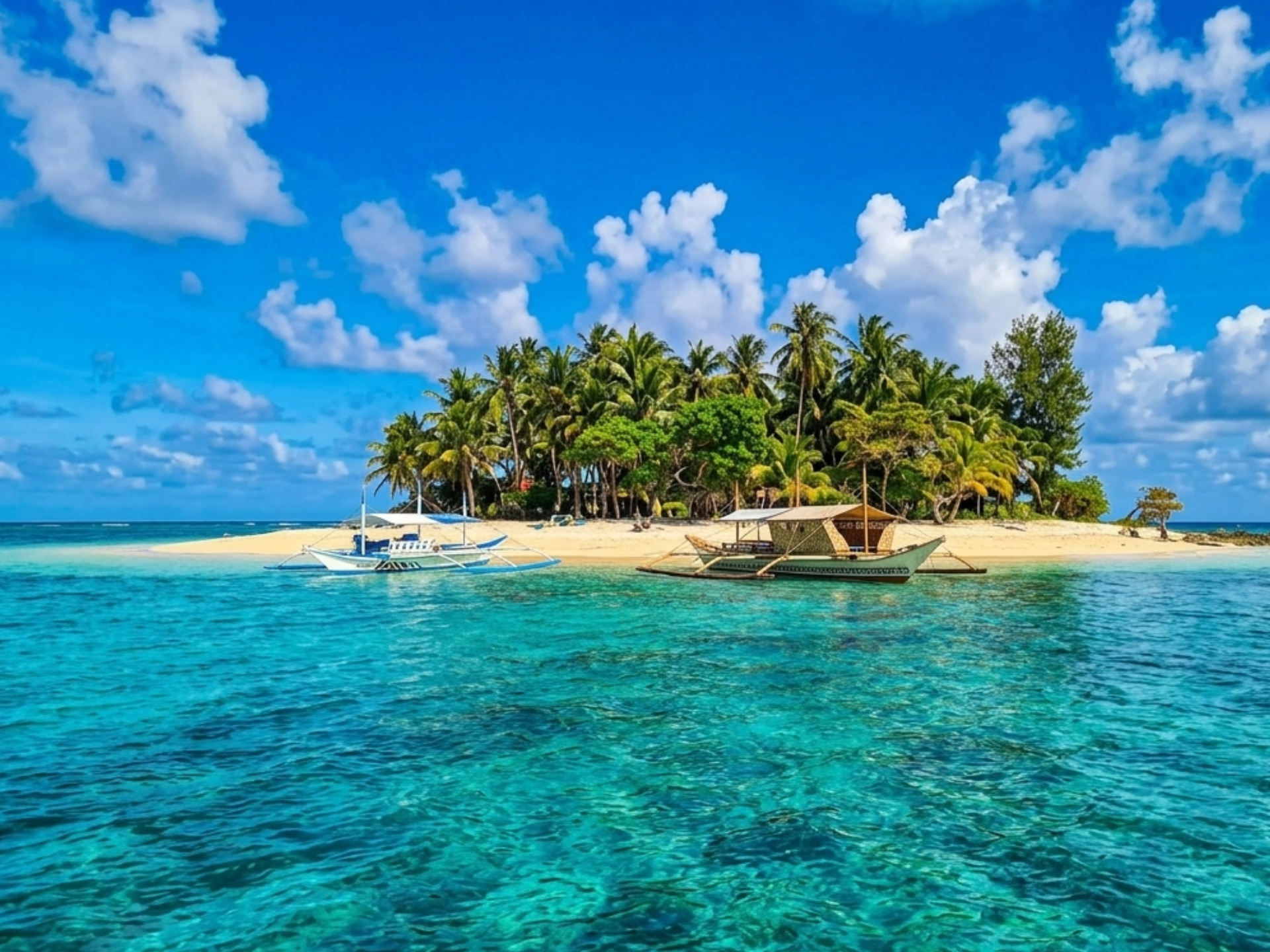
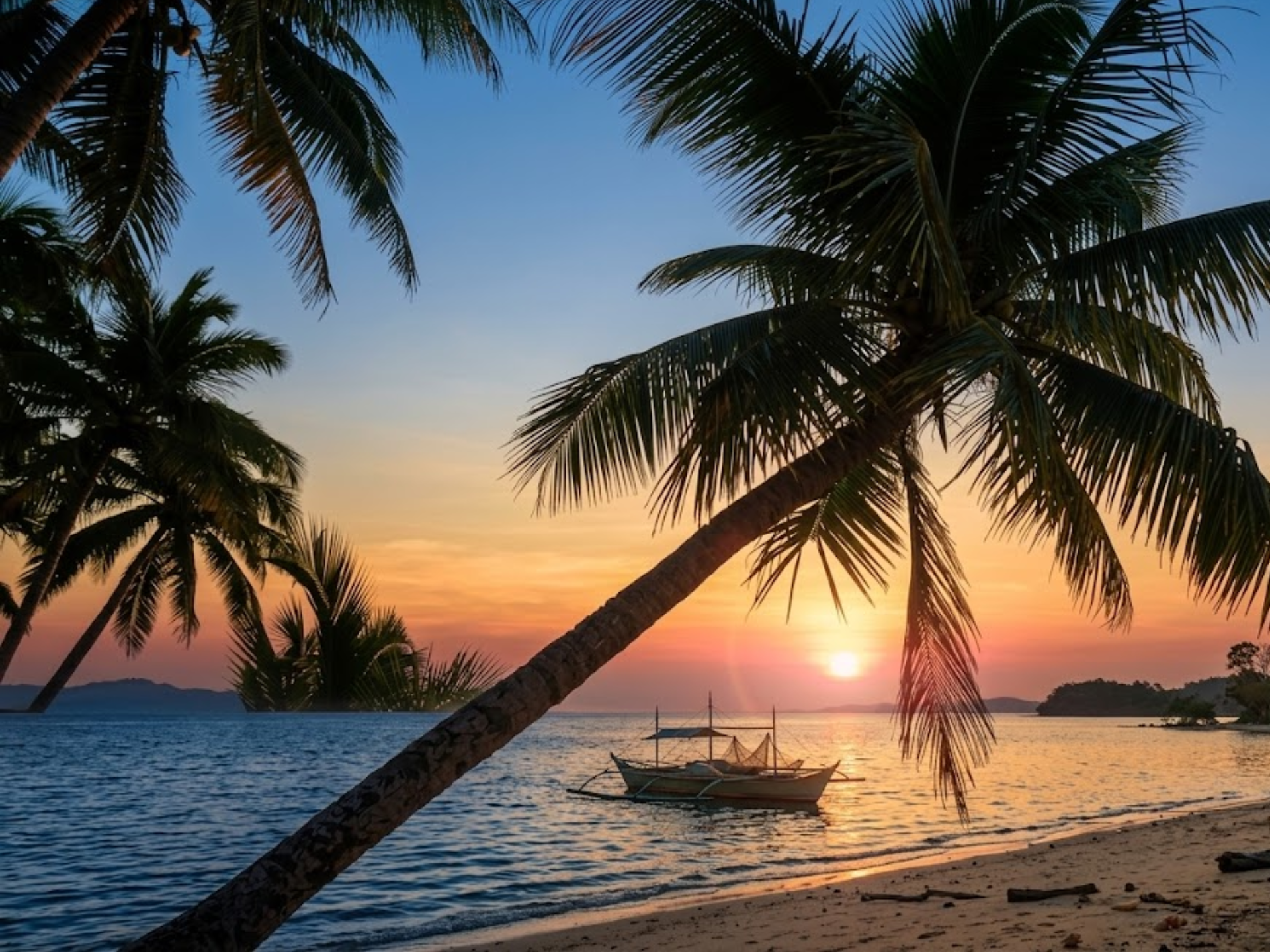
True, there has been a rapid growth in café businesses and tourism in the area. Yet, away from the town of General Luna, the island remains true to its primitive spirit through miles of palm trees, fishing communities, unvisited beaches, and afternoons when life feels slowed by humidity.
Practical Details
- Best period: March-October
- Costs: ₱8,000-₱20,000
- Recommended stay: 4-6 days
Honest Tips
The era of “undiscovered” Siargao has passed.
It is more expensive. Cafés get full at times. There are infrastructure issues, especially during rainy days.
However, there are still plenty of reasons why the island remains a place people fall in love with.10. Siargao — More Than Just Surfing and Instagram
There has been a huge transformation of Siargao in the last ten years.
Some tourists regard it as too commercialized while others find it as their favorite paradise on earth. Most likely, reality will lie somewhere in between.
True, there has been a rapid growth in café businesses and tourism in the area. Yet, away from the town of General Luna, the island remains true to its primitive spirit through miles of palm trees, fishing communities, unvisited beaches, and afternoons when life feels slowed by humidity.
Things I Personally Observed
For me, the memorable parts of Siargao Island were experienced outside of Cloud 9.
Meeting locals who were rebuilding after storms. The deserted roads after rain. Children swimming around smaller villages during sunset time.
These parts made much more sense to me compared to the idealized version of Siargao online.
Tips and Remainders
Do:
- Respect local community.
- Go beyond tourist places.
- Help recover-focused local business.
Don’t
- Act like you are in a social media set on the island.
- Disregard weather updates.
- Neglect surfing etiquette.
Reasons Why Some Places Make an Impression Even after Leaving Them
The Top 10 Most Beautiful Places in the Philippines That Feel Unreal are certainly not the most accessible places, the most budget-friendly destinations, or even the most enjoyable to arrange your trip to. In some cases, ferry delays, tiring roads, sudden weather conditions, and lack of internet connection happen during travels to such beautiful places. However, for some reasons, these negative aspects become exactly what make the destination unique.
What distinguishes the Philippines emotionally from other travel destinations is its vulnerability and generosity. The very fact that many of such places remain in such delicate harmony is the reason behind their uniqueness.
This is when such a balance is noticeable.
After visiting some of these locations, I began to understand why so many travelers develop emotional attachment to the Philippines. It is not just for the scenery provided by such places, but also the emotional experiences that visitors take home with them.
Perhaps this is the reason behind those places that make the Philippines one of the most emotionally captivating travel destinations in the world. Such places are not just visually impressive, they allow for an appreciation of silence, of distance, of community, of weather, of memory, and the delicate connection between humanity and nature.
It might be possible that this is what causes some places to remain unforgettable after vacations come to an end. Not because of the way they look, but because they have managed to give visitors a brief glimpse of their ordinary lives from a distance.
There are indeed locations within the country that can give this sort of feeling – although maintaining them will require responsible tourism and some patience on the part of the traveler too.
If there have been locations within the Philippines which have given you that out-of-the-world feeling, either an island where there isn’t much going on, a small village within the mountains, or even a place no one else talks about, do let me know. The most remarkable experiences in Philippine travel are often those shared in whispers long after coming back home.