Why Hydration Is the Key to Radiant Skin
For years on end, I was certain it was just a matter of finding the “right” skincare products.
I tried moisturizing creams that were supposed to make me glow. Serums that claimed to instantly transform my complexion into one that shone. Masks that made my skin feel momentarily soft but soon returned back to its dry, tight state.
And yet, my skin always looked tired. Never had breakouts. Never looked damaged. Just tired!
My skin looked lifeless under the natural light. My foundation kept flaking off despite how meticulously I applied it. Sometimes, my forehead appeared oily while the rest of my face was dry and tight underneath. Other times, it would sting after cleansing, even though the products were supposedly gentle.
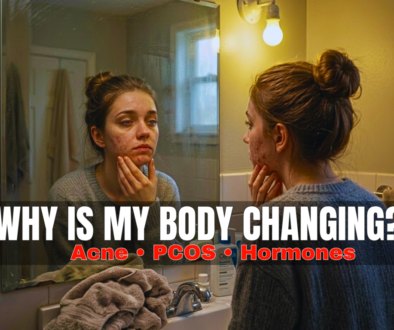
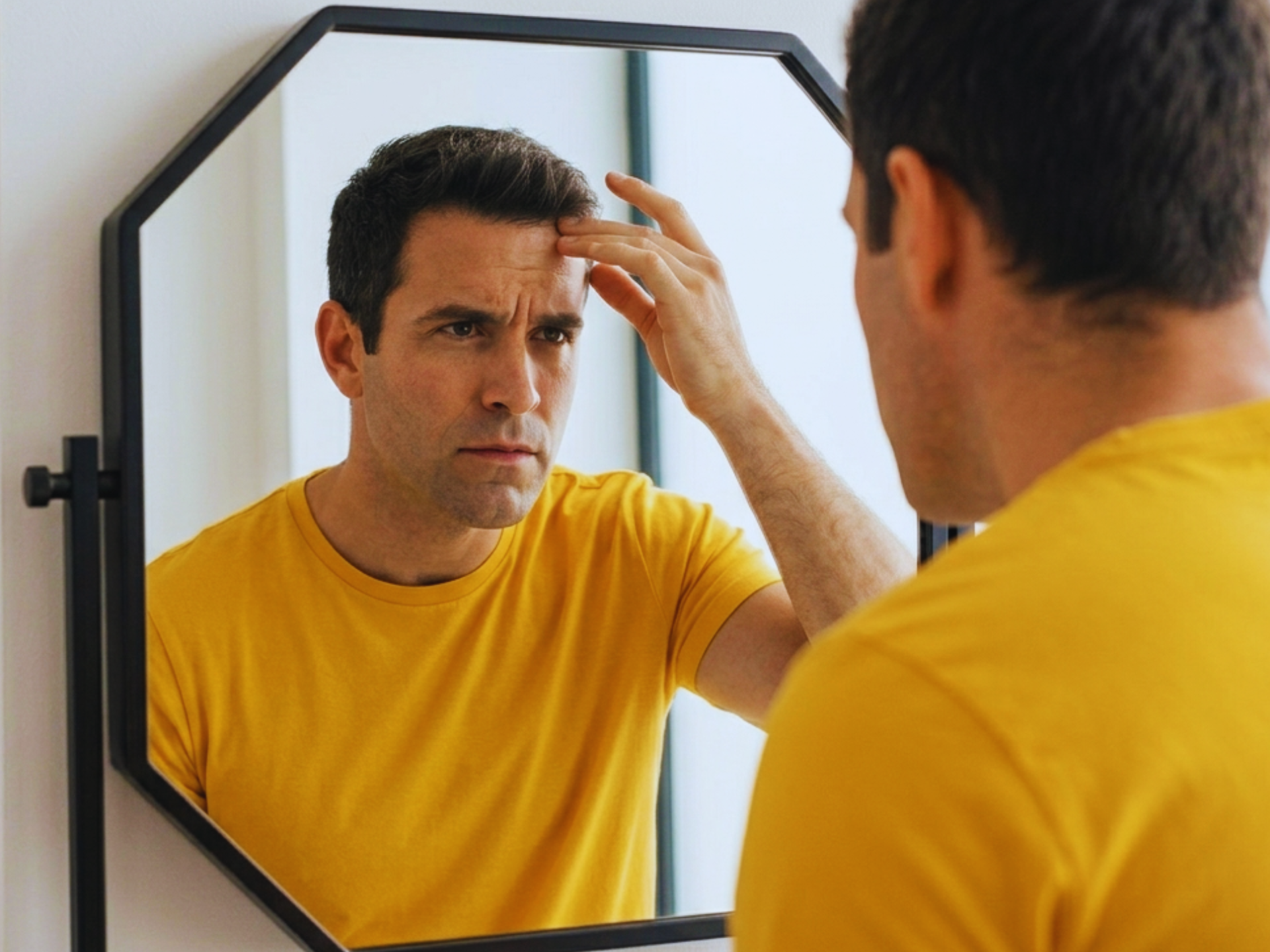
Remembering my experience of staring into the mirror and looking at my dehydrated skin after spending so much money on skincare products, I thought: How come my skin is still so dehydrated?
This used to bother me greatly. I was applying skincare. Loads of it. Yet I kept seeing “perfectly glassy skin” with twelve moisturization layers on social media and started to think maybe my skin isn’t cut out for anything other than looking bad.
It took me some time to get that important revelation: Skin hydration and skin moisturization mean two entirely different things.
Once I started to understand why skin hydration is key to having glowing skin, my approach to skin care completely transformed.
Not drastically. Not immediately. But slowly but surely, and in a scientifically based manner.
Healthy glowing skin is not about being flawless, but rather about maintaining an intact skin barrier, properly addressing dehydration, and consistently caring for your skin.
The Moment I Realized I Was Suffering from Dehydrated Skin
It’s funny because I realized I was suffering from dehydrated skin at a time when my face looked more oily than ever.
It took months before everything became clear to me. I used to believe that oily skin meant hydrated skin. Isn’t an oil just another form of hydration?
My face always felt tight post-washing. My foundation would stick on flakes that I could not see until I put my makeup on. My face would appear shiny, but at the same time, it felt rough and uncomfortable. There came a time I would over-cleanse my face thinking oil was the issue.
This worsened the situation for me. I would apply exfoliating acids excessively because my social media told me smoother skin equals healthier skin. This was the same for layering active ingredients while neglecting the impact on my skin barrier. Then there were the foaming cleansers leaving my face feeling “squeaky clean.”
My skin had become sensitive. My skin would flush more quickly than usual. Bumps would form around my cheek area. My skin felt irritated from products that previously worked well for me.
One day I stumbled upon a dermatologist describing the difference between having dry skin and dehydrated skin. And suddenly, the whole concept made sense to me.
It wasn’t just about dryness. It was about water deficiency.
Why Hydration Is Key to Achieving Glowing Skin
Glowing skin is such a common phrase on the Internet that it almost becomes an overused one. However, in the medical community, having healthy glowing skin usually means something much deeper happens below the surface:
• An efficient skin barrier.
• Well-balanced levels of hydration.
• Lowered inflammation levels.
• Greater skin elasticity.
• Healthy skin turnover rate.
• Less skin irritation/micro-damage.
Glowing skin is usually a result of hydrated skin since it works efficiently to make the skin look smooth, soft, and radiant. Dehydrated skin makes it hard for high-end skincare products to work effectively. That’s because dehydrated skin is damaged skin. And here comes the importance of knowing how the skin barrier works.
Science of Hydrated Skin
The skin barrier or stratum corneum plays the role of a protective barrier. Some functions include:
• Water retention.
• Irritants prevention.
• Protection from bacteria or pollutants.
• Elasticity
• Prevention of excessive loss of water.
The natural components that make up the healthy skin barrier include natural lipids such as ceramides, cholesterol, and fatty acids.
When the skin barrier is compromised, the water escapes through transepidermal water loss (TEWL). It might be challenging to understand the idea of TEWL.
However, the idea is straightforward: The skin loses water at a rate faster than it holds it. Here are some of the effects:
• Skin tightness
• Dryness
• Skin sensitivity
• Inflammation
• Dull skin
• Reactive skin
• Highly irritated skin
This explains why hydration plays an important role in creating hydrated skin. Glowing skin does not necessarily imply shiny skin. Glow is mainly associated with hydration and reduction of the stress within the skin cells.
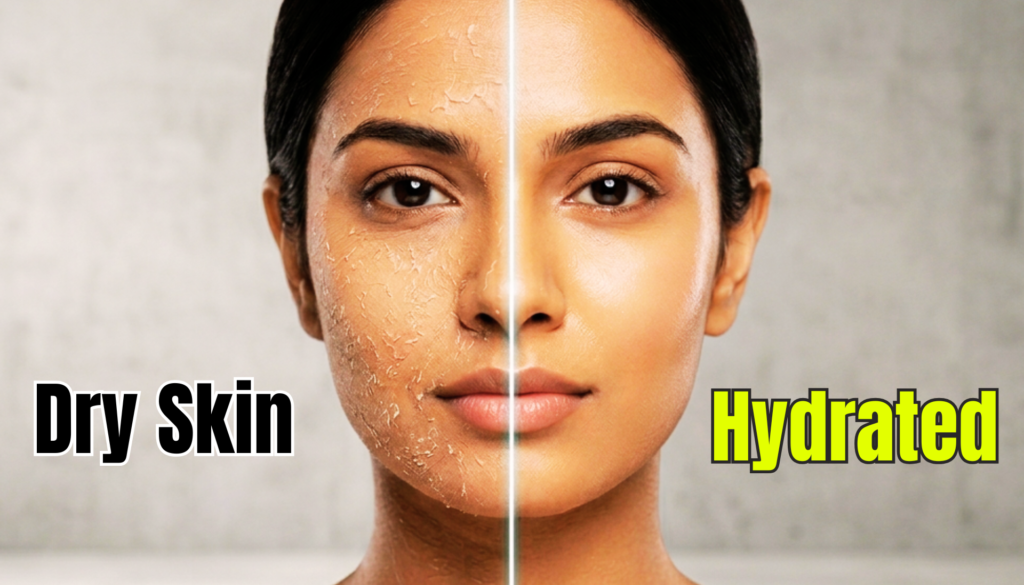
Dry Skin VS Dehydrated Skin: A Simple Explanation
It made all the difference to me.
Dry Skin: Dry skin is a skin type. It produces less sebum naturally. Dry-skinned people tend to have:
• Flaky skin
• Dry skin
• Fine lines
• Less sebum production
Dry skin typically requires more oils and barriers.
Dehydrated Skin: Dehydrated skin is a condition. It is lacking water but not always oil. Oily skin can be dehydrated. Symptoms of dehydrated skin include:
• Tightness
• Dullness
• Sensitive
• Oilier than usual
• Separating makeup
• Fine dehydration lines
• Uncomfortable skin after washing
It clarified why my face could be shiny but dry underneath. My skin had an excess of oil because it was attempting to make up for its lack of water.
The Signs That Show You Have Dehydrated Skin Despite Oiliness
This segment needs further explanation as many have this issue yet confuse it with excessive oiliness of the skin. Here are some of the most popular ones:
• Your skin gets oily fast but still remains tight.
• Makeup applies poorly and separates on the skin.
• Skin looks dull regardless of its oiliness.
• Lines look more prominent than usual.
• You feel stripped after cleansing the skin.
• Product stings unexpectedly.
• Skin appears to be easily irritated.
• Acne flares up after excessive exfoliation.
• Skin becomes “hot” and inflamed.
It’s quite typical for dehydrated skin to show unpredictable symptoms.
One day, it feels dry. The other – oily. And another – sensitive.
How Dehydration Ages Your Skin
I never realized just how big an impact hydration had on skin tone and reflective properties until now. Hydrated skin cells are bigger and work better. Skin that holds enough water is smooth and supple.
Dehydrated skin does not:
• Make fine lines seem less obvious
• Deepen shadows on the face
• Create an even skin texture
• Give off a healthy complexion
It’s not like dehydration ages you instantly. But dehydration definitely impacts how your skin looks. The “tired” look that kept showing up in pictures? Mostly because of dehydration and inflammation.
The Subtle Influence of Inflammation on Skin
This is yet another big discovery. Dull skin isn’t always just “dry.” Sometimes it’s inflamed.
Inflammation can affect the skin barrier and lead to an increased loss of water through the epidermis. Inflammation can cause redness, sensitivity, breakouts, and irregular skin surface. But the causes of inflammation aren’t limited to skincare products alone. Some factors include:
• Chronic stress
• Lack of sleep
• Smoking
• Drinking
• Overexposure to sunlight
• Harsh products
• Over-exfoliation
• Pollution
One time, I was getting inadequate sleep, consuming excessive amounts of coffee, under chronic stress, and applying exfoliating acids every day in order to smooth out my skin. My skin wasn’t radiant. It was overloaded.
Mistakes that Secretly Hurt My Skin Barrier
In retrospect, I believed I was “caring” for my skin. However, most of my practices only hurt it more.
Exfoliating Too Much: Perhaps the most common mistake I made. My use of exfoliating acids was too often due to the misconception that smoothness equated healthy skin. Consequently, I damaged my skin barrier. Indicators of over-exfoliation include:
• Burning sensation
• Enhanced redness
• Glossy yet irritable skin
• Unexpected sensitivity
• Increased breakouts
Overusing Active Ingredients: Retinol, acids, vitamin C, exfoliating toners—there were too many ingredients and I did not understand the concept of balance. Having many products does not necessarily mean better health for your skin.
Washing Face with Hot Water: Hot water provides momentary relaxation, but it washes away natural oils and makes water loss worse. The change in water temperature made more of a difference than I anticipated.
Not Using Sunscreen: Sun exposure reduces the effectiveness of collagen and increases dehydration, among other effects like inflammation. At first, I believed that sunscreen’s only purpose is sunburn prevention. However, sunscreen also serves as a protective barrier.
Following Skincare Fads Rather Than Paying Attention to Your Skin: This item was personal, not technical. I tried skin care routines that were meant for someone else’s face. I disregarded what my own skin wanted because discomfort means something works.
The Skincare Mistakes That Ruined My Skin
Some skincare practices seemed beneficial but were damaging.
Changing Products Frequently: I never allowed the products adequate time to work. If there was no immediate change, I switched them out. My skin never got the chance to settle down.
Over cleansing with Harsh Cleansers: The foaming cleansers would leave my skin dry and taut. I thought this was a sign of proper cleansing.
Attempting to Rid Skin of All Oil: Eliminating all traces of oil from my skin made things even more unbalanced. Skin needs oil for protection.
Aggressive Use of Physical Scrubs: These rough exfoliating beads and scrubbing scrubs damaged my skin barrier significantly. Particularly after continuous use.
My Hydration Regimen That Really Worked
What was unexpected? It got easier. No gimmicks. No splurges. Just more effective.
Step 1: GENTLE Cleansing: I moved from stripping cleansers to those that cleanse without leaving my skin feeling stripped. That was all it took to ease irritation.
Step 2: H2O Boosters: Rather than applying more irritating products, I concentrated on hydration. I began incorporating:
• Glycerin serums
• Hydrogel hyaluronic acid
• Moisture barrier support creams
• Ceramide creams
Step 3: Moisturize Damp Skin: It made more of a difference than I anticipated. Putting moisture products on damp skin ensured moisture retention.
Step 4: Moisture Barrier Protection: Exfoliation frequency was cut down considerably. Sometimes the best thing you can do for your skin is not do anything at all.
Humectants vs Occlusives Knowledge
This was among the most useful skincare lessons that I learned.
Humectants: They are agents that attract water. Some examples of humectants include:
• Hyaluronic Acid
• Glycerin
• Aloe Vera
• Urea
Occlusives: Occlusives lock moisture into the skin. Some examples of occlusives include:
• Petrolatum
• Squalane
• Shea Butter
• Dimethicone
Without a barrier, hydration may be lost too quickly.
Hyaluronic Acid: Beneficial, but not a Wonder Cure
Social media has branded hyaluronic acid as a wonder ingredient. But that isn’t the case. Hyaluronic acid is indeed beneficial; however, one must be aware of how and when to use it.
It’s a humectant that can draw moisture. Hyaluronic acid can give your skin temporary plumping hydration. However, if the surrounding conditions are too dry or the skin barrier is compromised, humectants may not work on their own.
Why Ceramides Were Better for My Skin Than Hyped-Up Products
To be honest, ceramides were among the most unglamorous skincare ingredients that I have ever used.
However, ceramides had a major impact on my skin. Ceramides occur naturally in our skin and help protect against moisture loss. In case our skin barrier becomes compromised, adding back ceramides can possibly help in improving:
• Skin comfort
• Dryness
• Irritation
• Barrier strength
Gradually, my skin became more tolerant by using barrier-replenishing moisturizers. Not immediately. But progressively.
Morning Hydration Routines: Previously, I believed that beautiful skin is achieved through complicated regimes. However, now I have simplified my mornings. How it was accomplished:]
• Rinsing with warm water
• Using soft cleansers when necessary
• Putting on hydrating serum on slightly wet skin
• Moisturizing with ceramides
• Daily use of sunscreen
• Consistent intake of liquids, not just one large portion
In addition, I no longer constantly examined my skin in all mirrors. Perhaps, it psychologically improved me more than physiologically.
Night Skincare Recovery Regimen: The night regime was no longer about “repairing” my skin but rather aiding recovery. Key steps included:
• Cleansing
• Hydration
• Barrier restoration
• Minimal irritation
During sensitive skin phases, I limited the number of actives significantly. Occasionally, skin recovers better without being bombarded with products.
The Effect of Sleep on Skin That Surprised Me
I found this surprising since online beauty advice tends to emphasize products over physiology. However, sleep has significant impacts on the skin. While sleeping, the body aids in repair mechanisms and manages inflammation. Lack of sleep might result in higher cortisol levels – the body’s main stress hormone. Chronic elevation of cortisol can lead to:
• Inflammation
• Disruption of the barrier function
• Dullness
• Acne outbreaks
• Decreased recovery rate
My skin would always be more problematic after multiple nights of bad sleep despite using different skincare products. There was no serum that could completely offset fatigue.
Stress and Skin
The Link I Overlooked: Stress isn’t all psychological.
Physiology is impacted by stress as well. If stress is prolonged, inflammation may develop in other parts of the body. Some individuals experience:
• Exacerbated acne
• Inflammation
• Dryness
• Sensitivity
• Delayed recovery
For years, I paid attention to my skin while neglecting the state of my whole nervous system. Understanding this shifted my perception of “healthy glowing skin.” It isn’t just about appearances. Often it is connected to general well-being.
Foods and Beverages Which Aided My Skin
There was no miraculous food that improved my skin condition. However, some activities promoted hydration over a long period.
Foods with High Water Content: I began consuming more of the following foods:
• Cucumbers
• Watermelon
• Oranges
• Strawberries
• Soups
• Leafy vegetables
They provide hydration and other vital nutrients to improve well-being.
Fluids Consumption Balance: I ceased pushing myself to consume excessive volumes of water at one time. Regular hydration seemed easier to maintain.
Importance of Electrolytes: Hydration is not just about drinking water. Electrolytes like sodium, potassium, and magnesium assist in controlling fluid balance inside the organism.
Dehydrating Effect of Alcohol on Skin: I became aware that alcohol influenced my skin condition.
If I lacked sleep and drank alcohol, my skin invariably appeared:
• Puffy
• Dull
• Dehydrated
• Balance Between Caffeine Intake
Coffee was not responsible for damaging my skin. However, excess caffeine alongside insufficient fluids and poor sleep certainly did not improve it.
Humidity, Weather, and How Climate Impacts Skin
My skin reacts totally different based on the weather. Cold weather and indoor heat made my skin tighten up more severely. Drier climates lead to higher rates of transepidermal water loss since moisture is more prone to evaporating from the skin.
This is where the humidifier comes in handy. Using a humidifier when the climate is dry helped reduce skin tightness.
False Beliefs About Hydration Social Media Perpetuates
Belief: Dehydrated Skin Needs Hydration Only If It Is Dry
False: Dehydrated oily skin also needs hydration.
Belief: More Exfoliation Creates Glowing Skin
False: Too much exfoliation increases inflammation and barrier issues.
Belief: Quality Products Are More Effective And Expensive
False: There are many affordable and barrier-effective products available in the market. Expensive products do not always work for everyone.
Belief: Skin Issues Can Be Fixed Overnight
False: It requires consistent efforts to have healthy skin.
Belief: Glass Skin Indicates Healthy Skin
False: Glowing skin from heavy exfoliation means that the skin barrier is damaged.
Dermatological Truths Everyone Ignores About Skin Care
The most effective skin care tips are also the most boring.
Consistency Trumps Intensity: The skin frequently reacts positively to consistent support over intense methods.
Healthy Barrier Equals Healthy Skin: When you do not have a healthy barrier, many skin care products turn into irritants.
Sun Protection Is Mandatory: UVA and UVB rays lead to inflammation and dehydration of the skin.
More Skincare Products Lead to Irritation: Simpler regimes can be more useful in many cases.
What I Wish I’d Known About Skin Hydration Earlier
I wish I’d known early on that skin care isn’t a punishment-reward game.Dehydrated skin didn’t mean I was being lazy or did everything incorrectly. It often meant:
• That I was stressed
• That I was tired
• That my skin barrier wasn’t functioning
• That my skin care routine was too intense
• That my expectations were too high
Lastly, I wish I knew early on that flawless skin doesn’t mean poreless skin.
• Healthy skin has its imperfections.
• Healthy skin is affected by hormones.
• Healthy skin changes depending on the environment and emotional state.
Time Required for Rehydration and Healing
The tricky thing is that barrier repair may be slow. Not minutes. Not even two days. Sometimes even weeks. Some notice improvement within days of reducing irritation and increasing hydration. Others may need a lot longer.
In my case, it went like this: First, I noticed a difference in tightness, then sensitivity, then texture, and lastly, glow. The primary difference was the comfort. I no longer had irritated skin.
Medical Help for Dehydrated Skin
Occasionally, cases of dry or irritated skin become more than regular dehydrated skin. It is advised to seek professional help when you have:
• Intense flaking
• Cracked skin
• Irritation
• Continual redness
• Symptoms of eczema
• Infections
• Unusual skin changes
• Intense burning sensation or allergies
Dehydrated skin does not fix all skin problems.
Dos and Don’ts of Hydrated Skin
DO:
• Guard the skin barrier
• Cleanse using gentle cleansing products
• Moisturize while the skin is still wet
• Choose ceramide moisturizing products
• Hydrate yourself during the day and night
• Slather sunscreen on your skin
• Get sufficient sleep
• Maintain low stress levels
• Wash the face with warm water
• Layer moisturization properly
• Consume water-based foods
• Use hydrating serums correctly
• Listen to your skin
DON’T:
• Overdo exfoliation
• Scrub harshly
• Pursue impossible beauty standards
• Apply multiple skin active ingredients simultaneously
• Disregard signs of irritation
• Think that oiliness means hydrated skin
• Deprive the skin of moisture again and again
• Anticipate overnight results
• Forget sunscreen
• Neglect sleep and stress
FAQ: Hydration for Glowing Skin
Will dehydrated skin lead to acne breakouts?
Yes. Dehydrated skin may get irritated and start producing too much oil, causing breakouts for some individuals.
How do I tell whether my skin is dehydrated or dry?
Dehydrated skin doesn’t have enough water, whereas dry skin lacks oils. It’s important to note that dehydrated skin can also be oily.
Can drinking water alone solve dehydrated skin?
No. While internal hydration is key, external factors such as skin barrier condition, skincare, weather conditions, sleep, and inflammation are also significant.
Is excessive exfoliation harmful to the skin?
Yes. Over-exfoliation can irritate the skin barrier and even result in inflammation.
Can one achieve healthy glowing skin without using expensive products?
The answer is most likely yes. Glowing skin typically requires regularity rather than expensive skincare products.
Which ingredients improve dehydrated skin? Some beneficial ingredients are:
• Hyaluronic acid
• Glycerin
• Ceramides
• Squalane
• Urea
Reflections About Healthy Skin That Glows
At first, I thought that healthy glowing skin could only be obtained by using the right products. However, over time, I began to realize that glowing skin means learning about your skin rather than battling with it all the time.
What I did not see coming was how my skin started feeling healthier despite the fact that there was no sudden miraculous transformation.
This is true because I still have issues like dry skin and the effects of hormones and weather conditions.
However, what changed was that I started caring less about having a perfectly clear complexion and instead focused more on giving it the nutrients it needed to function well.
For instance, I finally understood why hydrating the skin was the key to getting it to glow.
• Hydration isn’t simply about consuming water.
• It’s about minimizing unwanted irritation.
• Barrier protection.
• Facilitating healing.
• Getting adequate sleep.
• Controlling stress.
• Gentle skincare practices.
• Having realistic expectations.
But, in all seriousness, I found it liberating to realize this truth more than any skincare trend ever could.
Because good skin doesn’t need to be perfect. Good skin doesn’t require expensive products. Good skin isn’t always about the latest trends.
It’s about consistency, barrier protection, proper hydration, and knowing what your skin truly requires.
Disclaimer
Skin problems such as persistent irritation, eczema, infections, severe dryness, or any changes that occur abruptly require consultation from a qualified dermatologist.
Conclusion:
If you have experienced dull, tight, oily but dry, irritated, or dehydrated skin regardless of the use of skincare products, then you are not doing something wrong in your skincare routine. It is possible that your skin just needs some relaxation, protection, and proper hydration.
Healthy skin does not come from extremes. It usually requires patience and balance, especially when you know what your skin really wants.
• What symptoms of dehydrated skin have you experienced?
• Have you ever mistakenly believed that oily skin is hydrated?
• What has been the best skincare routine that helped heal your skin barrier?