
Foods I Avoided During First Trimester (My Personal Experience + Doctor’s Advice)
My Personal Experience with Foods I Avoided First Trimester
At the beginning of my pregnancy journey, I never thought that my daily life would be affected by my food intake.
Foods I Avoided During First Trimester is an easy-to-understand concept, but it was actually what I had to deal with because of vomiting, smell sensitivity, digestive system changes, and sudden aversion to some foods.
There were foods that I avoided because my body literally refused to take them. There were also foods that I avoided for understanding the medical reasons behind why they were not recommended in early pregnancy.
This blog post will help you comprehend the importance of:
- Why I couldn’t consume some foods on my own.
- Why doctors advise against consuming them during pregnancy.
1. Coffee – My Sudden Inability to Tolerate It
The first thing that I stopped consuming was coffee. Not intentionally, but because I was unable to do so. Even its scent made me feel sick, and I got an unpleasant sensation from the first couple of sips.
Medical explanation (how does caffeine influence pregnancy):
Caffeine passes through the placenta and is not efficiently broken down by the developing baby. High consumption of caffeine is associated with higher rates of miscarriage and lower birth weight based on multiple studies. Metabolism of caffeine slows down during pregnancy, resulting in prolonged action of the substance.
It may aggravate the symptoms of acid reflux, anxiety, and nausea that are common during early pregnancy.
Reference for health recommendations: In general, all major health organizations (e.g., WHO) advise limiting caffeine intake to no more than 200 mg daily during pregnancy.
Conclusion: For me, the issue was not related to the “limits” – I stopped drinking coffee long before I started thinking about such limits.
2. Fried and Greasy Foods – Why They Became Too Much
The hardest things to eat were fried foods, to the point where just the thought of them made me feel sick, and even when I did eat them, I felt too full afterward.
Medical reason (explaining why greasy foods become more difficult in first trimester):
- High pregnancy hormone levels slow digestion process.
- Greasy food takes longer to digest, causing bloating and increased nausea.
- Could lead to acid reflux/heartburn, common during first trimester.
- Heavy meals can intensify symptoms of morning sickness.
While this does not make greasy food a “dangerous food,” it certainly becomes difficult to digest when your digestion slows down during pregnancy.
Conclusion: I didn’t have rules about what I could and couldn’t eat; it was my body saying “no” to heavy foods.
3. Dishes Rich in Garlic and Onion – How Odors Became Triggers
The smell of garlic and onion became unbearable for me even when I prepared dishes containing those ingredients. I had dizziness and sometimes nausea during preparation.
What causes smells to become triggers:
- Increased estrogen levels make smell hypersensitivity possible during early pregnancy.
- Intense odors activate nausea mechanisms in the brain.
- Pregnancy makes sensory perception overly responsive.
Odor sensitivity is one of the most widespread triggers in early pregnancy and usually correlates with nausea severity.
Conclusion: My body was just extremely sensitive to these odors.
4. Spicy Food – Reasons for the Change in My Stomach’s Reaction
Though I enjoyed spicy food before my pregnancy, in my first trimester any spiciness in food gave me an uneasy feeling in the stomach.
Medical insight (why one should avoid eating spicy food):
- Eating spicy food increases the production of gastric acid, leading to heartburn.
- Slow metabolism of spicy food in pregnancy.
- May worsen feelings of nausea and gastric irritation.
Though eating spicy food doesn’t cause harm, it might cause physical intolerance due to metabolic changes.
Conclusion: It was never about being harmful; it was simply about intolerance.
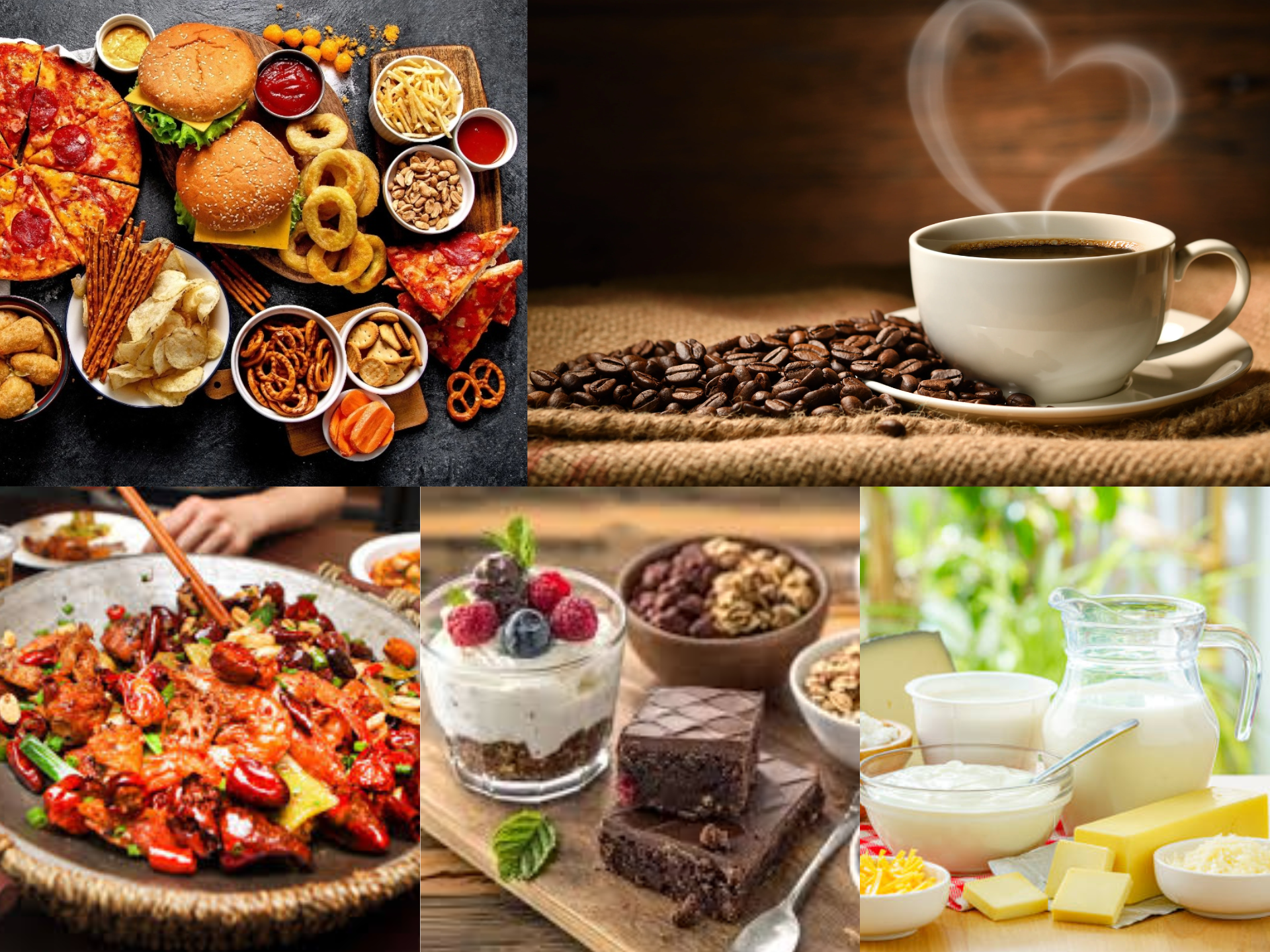
5. Instant Noodles and Processed Foods – Why They Seemed Unfavorable
Food products like instant noodles and chips no longer served as comfort foods but caused me discomfort, such as feeling heavy and nauseous after consumption.
Medically speaking:
- High salt content could cause bloating and dehydration issues.
- Low fiber content could cause slower digestion.
- Added flavors become too much to handle with an elevated sense of smell.
- Lack of necessary nutrients required for early pregnancy growth.
Even though they are not considered “no-no” foods, many health practitioners advise limiting their consumption in early pregnancy due to low nutrient content.
Conclusion: I found myself gravitating towards eating healthier foods instinctively.
6. Milk and Dairy Products – Reason for Tolerance Variation
Sometimes, the consumption of milk was okay. However, sometimes, it made me feel a little nauseated or heavy. No pattern could be identified that baffled me greatly.
Medical Viewpoint:
- Fluctuation in hormones can cause lactose intolerance sensitivity for some time.
- Nausea will make consumption of dairy products difficult due to their creamy consistency.
- Taste perception is altered during pregnancy.
Generally, milk/dairy consumption is recommended during pregnancy because it is rich in calcium.
Conclusion: I went with the body’s tolerance each day.
7. Sugar Foods and Desserts – Why Too Much Sweetness Was Not Comfortable
I anticipated sweet cravings, but instead, excess sugar caused discomfort.
Medical explanation:
- Excess consumption of sugar causes sharp changes in the levels of sugar in the blood, exacerbating fatigue.
- Excess sugar consumption may enhance nausea among some patients.
- Hormonal changes influence taste and regulate the sense of hunger.
Maintaining balanced sugar levels is critical during pregnancy, and hence excess sugar consumption is not recommended.
Conclusion: Even my cravings were unstable, changing from day to day.
What I Actually Consumed Rather (Safe and Tolerable Foods During the First Trimester)
During this period, my diet was straightforward:
- Rice without anything else
- Toasted bread
- Banana
- Soup
- Ginger tea
- Several small meals
These foods are typically suggested during nausea because they are:
- Digestible
- Low-fat
- Soft on the stomach
- Not prone to causing reflux or nausea
The Reason for Food Aversions During First Trimester
Medically speaking, what I went through is not unusual at all. First trimesters are associated with:
- Hormonal fluctuations (estrogen and progesterone)
- Slow digestive system
- Enhanced sense of smell and taste
- Vomiting reflexes
This may result in:
- Aversion towards food
- Intolerance towards certain smells
- Digestive issues
- Dietary restrictions
None of these is considered harmful, but rather a normal adaptation to being pregnant.
Foods I Avoided First Trimester
In retrospect, Foods I Avoided First Trimester was not an issue of deprivation or dieting but rather responding to the biological messages that my body was trying to give me.
There were foods that my body struggled to process. There were those that triggered my senses. Finally, there were foods that were incompatible with the changes associated with early pregnancy.
What I came to learn was this: Pregnancy never really makes sense—it simply follows biology. And as far as my body was concerned, it was just asking for simplicity, patience, and gentleness.
Let’s Chat:
Were you faced with any food changes while pregnant in your first trimester?
What was the biggest shock for you—a food that suddenly triggered you or one that became your only choice?